
🏛️ How to Use Rugs to Balance High-Ceiling Rooms & Vertical Volume
High ceilings bring light, air, and drama into a room, but they can also feel hollow or visually disconnected if not styled thoughtfully.
When curved furniture enters the mix, the challenge becomes balancing vertical volume with softer geometry. Rugs are the most powerful design
tool to ground tall spaces, anchor curved seating, and create harmony in modern interiors. By choosing the right rug, you can transform a
lofty room into a warm, cohesive environment where scale and comfort coexist beautifully. Thoughtful material choices, proportion,
and placement turn vertical drama into welcoming, human-scale design.

✨ Why Do High Ceilings Need Grounding Elements?
In double-height rooms, the eye naturally travels upward, leaving furniture feeling adrift and walls visually dominant. Rugs lower the visual
center of gravity, define functional zones, and give the room a sense of completion. With curved sofas or rounded chairs, rugs act as visual
pauses that allow those shapes to breathe rather than disappear into scale. Without rugs, tall rooms often feel incomplete and echo-prone; with
them, the space gains balance, warmth, and an inviting sense of human scale. The right rug creates continuity underfoot, guiding movement and
making expansive volumes feel intentional rather than empty.

🪔 Start by Understanding How Curves Behave
Curved furniture naturally draws attention, but without the right rug it can feel scattered or disconnected from the architecture. Rugs provide
continuity, proportion, and texture, ensuring curved silhouettes feel intentional rather than lost. A rug beneath curved seating creates flow,
guiding the eye and reinforcing the softness of the design. It also subtly organizes conversation areas, turning open layouts into clearly defined
zones. In modern interiors where curves dominate, a rug is the mediator between sculptural shapes and vertical scale, helping the room feel
grounded yet fluid.
🧵 Rug Shapes That Work Best
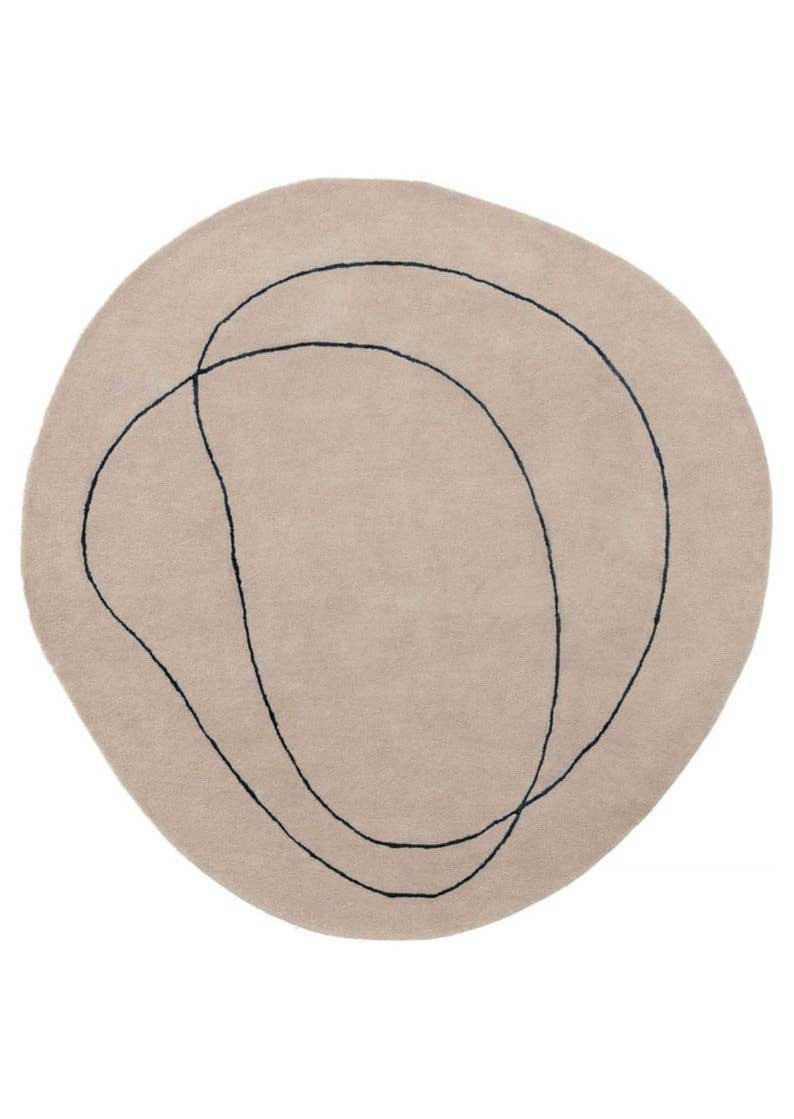
Rectangular rugs frame curves and add order, offering a timeless structure that contrasts beautifully with rounded silhouettes. Oval rugs echo
softer forms without overwhelming them, making them ideal for tall rooms with low-slung seating. Irregular rugs introduce organic movement that
mirrors curved furniture while still grounding the space visually. The choice of rug shape should complement the architecture and furniture layout,
ensuring harmony between vertical height and floor design. Prioritize a shape that outlines the seating area, supports the natural flow of
movement, and prevents the room from feeling overly fluid or rigid.

🎨 Texture Matters More Than Pattern
In tall spaces, texture holds the eye at floor level more effectively than busy patterns. Hand-knotted rugs add depth and durability, bringing a
crafted richness that balances vertical scale and ages beautifully. Hand-tufted rugs soften sculptural furniture with plush comfort, making large
spaces feel approachable. Natural fibers such as wool, silk blends, and cotton deliver tactile presence while remaining versatile across styles.
Texture creates intimacy in expansive rooms, ensuring the floor feels alive and connected to the rest of the design. When pattern is used, keep it
subtle so texture remains the primary grounding force.
🏠 Styling Rugs With Curved Sofas & Chairs
Placement defines success in high-ceiling rooms. Ensure at least the front legs of curved seating rest on the rug to connect furniture with the
floor plane and visually lower the ceiling. In larger rooms, size up—an undersized rug looks lost, while a generous rug pulls furniture inward and
makes the layout feel intentional. Let the rug outline the conversation area rather than attempt to cover the entire room, creating intimacy within
vast volumes. Align seating along natural pathways, and use the rug to signal where gathering happens, balancing openness with comfort.

🌟 Pattern Choices That Support Curves
Curved furniture already introduces movement, so rugs should support rather than compete. Subtle geometrics, soft abstracts, and thoughtfully
scaled florals add warmth without clutter. Antique rugs bring layered history and patina that counterbalance expansive walls, while modern tonal
designs keep the look minimal yet grounded. The key is restraint: choose patterns that enrich texture, echo curvature, and preserve calm. This
approach prevents visual noise and lets sculptural seating remain the hero of the space.

🎨 Color as a Grounding Tool
Color plays a critical role in balancing vertical volume. Darker rugs pull the eye downward and reduce the perceived height of ceilings, while
mid-tone neutrals create gentle contrast against lighter walls. For curved furniture in lighter fabrics, anchoring the space with a slightly
deeper rug color defines the seating area and strengthens cohesion in open-plan homes. Consider undertones that harmonize with architectural
finishes and natural light, using color to connect zones and soothe transitions across large layouts.
🪔 Rugs in Modern Curved Interiors
In sculptural homes, prioritize material and scale over bold pattern. Wool, silk blends, and designer rugs add presence without visual noise,
allowing curves to stand out while the room remains calm and composed. Custom rugs offer precise control over size, color, and texture, ensuring
perfect alignment with curved layouts and tall ceilings. Think of the rug as a quiet anchor: substantial in feel, refined in detail, and scaled to
the architecture so the interior reads polished rather than busy.
🏡 Using Rugs to Lower Ceilings Visually
Layering rugs adds depth and draws the eye to the floor plane in large rooms. A generous neutral base topped with a smaller accent rug breaks
vertical scale, reduces echo, and creates intimacy. This technique works beautifully with curved furniture when shapes complement one another,
strengthening flow rather than introducing sharp contrast. Layering also lets you play with texture hierarchies—plush over flatweave, jute over
wool—adding dimension without clutter.

🚫 Common Mistakes to Avoid
Avoid choosing rugs solely by furniture shape without considering ceiling height; in tall rooms, everything must work harder visually. Steer clear
of overly minimal rugs in expansive spaces, as they can make curves feel lost rather than celebrated. Resist forcing symmetry—curved furniture
thrives in slightly asymmetric layouts. Let the rug support that natural flow, reinforcing comfort, movement, and connection rather than imposing
rigidity. Always verify scale and placement before committing, as proportion is the quiet rule that governs success.
✅ Bringing It All Together
High ceilings don’t need to feel intimidating, and curved furniture doesn’t need to feel adrift. Rugs are the bridge between vertical drama and
human scale. Whether you choose antique character, contemporary restraint, or expressive modernity, the right rug defines space, softens scale, and
celebrates curved furniture. Thoughtful material, shape, color, and placement choices transform tall rooms from echoing to embracing, creating
interiors that feel both grand and welcoming. Start from the ground up, trust your eye, and let the carpet bring the room back to you.
❓ FAQs
Do curved furniture layouts need a custom-sized rug? Not always, but custom sizing helps avoid awkward gaps and ensures the rug flows with seating
rather than cutting it off.
Should rugs touch the walls in high-ceiling rooms? No. Leaving visible floor space around the rug defines the seating zone and keeps the room from
feeling boxed in.
Are layered rugs suitable for curved furniture arrangements? Yes, as long as the base rug is large and neutral, and the top carpet complements the
curves rather than adding sharp contrast.
Can patterned rugs overwhelm curved furniture? They can if the pattern is too busy. Softer motifs or faded designs usually work better with rounded
silhouettes.
Is a low-pile or high-pile rug better for curved seating areas? A low to medium pile works best. It keeps furniture stable while still adding enough
texture to ground the space.
Do rugs help with acoustics in high-ceiling rooms? Absolutely. Rugs absorb sound and reduce echo, making tall spaces feel calmer and more comfortable.
What are the best rugs for curved furniture? Generously sized, softly textured rugs placed to follow seating flow rather than forcing strict symmetry
are ideal for curved layouts.
Thanks for your personal marvelous posting! I genuinely enjoyed reading it, you may be a great author.I will be sure to bookmark your blog and will eventually come back in the foreseeable future. I want to encourage you continue your great job, have a nice weekend!