21 January 2026 | 8 Min Read | By Indian Carpets
A Turkish carpet has this kind of enchantment to it. It ain’t a rug—it narrates a tale through silk and wool, a slice of the past echoing skilled hands honing their art for hundreds of years. From the intricate Turkish rug patterns symbolizing prosperity and protection to the rich natural dyes that bring them to life, each luxury rug is a masterpiece in its own right. But what truly sets them apart? What secrets lie in their knots, their motifs, their timeless allure? Whether you are a collector, a design lover, or just someone who appreciates true craftsmanship, this journey will make you see rugs in an entirely new light. Are you ready to be enchanted?
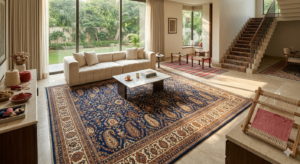
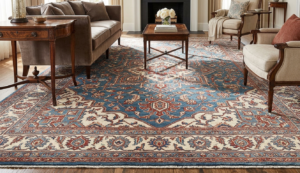
Turkish rugs are having a major moment in the world of interior design, and Pinterest is proof. From bohemian lofts to ultra-modern spaces, these rugs have become the must-have decor essential—effortlessly elevating any room with their rich textures, intricate patterns, and deep-rooted history.
But what makes Turkish carpets so irresistible? Is it their timeless craftsmanship, their ability to blend seamlessly with any interior style, or the fact that they carry centuries of tradition woven into every thread? Whether you love design, collect items, or want a standout piece for your space, this guide is for you. It covers everything about Turkish rugs. You will learn about their origins, styles, and why they are so popular on Pinterest.
A Legacy Woven in Every Thread: The History of Turkish Rugs
Turkish rugs date back to the 13th century, when the Seljuk Empire first introduced their distinct weaving techniques to Anatolia. These early designs set the foundation for what we now recognize as traditional Turkish rugs—characterized by geometric patterns, symbolic motifs, and deep, earthy color palettes.
During the Ottoman era, Turkish carpets became synonymous with luxury and prestige, gracing the floors of palaces and mosques, and being traded as prized possessions across Europe and Asia. Today, the legacy continues, with artisans in Turkey preserving the age-old techniques of hand-knotting and natural dyeing, ensuring that each rug remains a work of art.
What Makes Turkish Rugs So Special?
Handwoven Craftsmanship
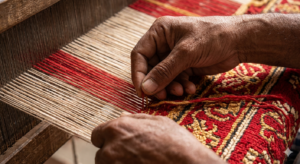
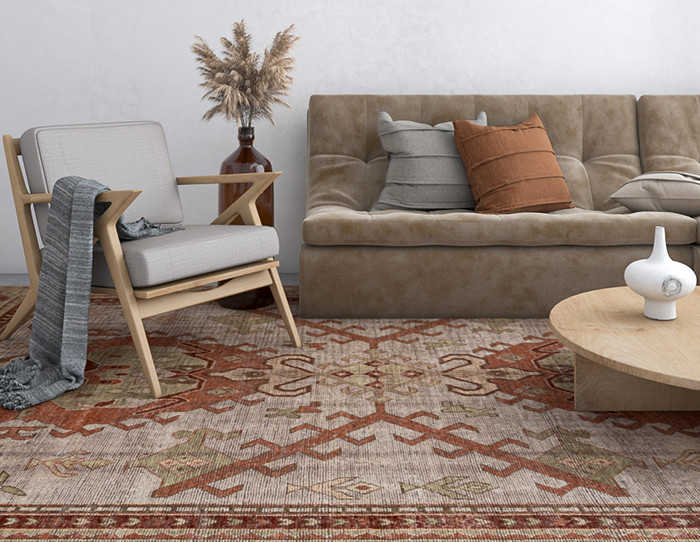
Unlike machine-made carpets, authentic Turkish rugs are handwoven, sometimes taking months (or even years!) to complete. Each piece tells a unique story, with meticulously crafted patterns and color combinations that reflect the artisan’s heritage.
Symbolism in Every Pattern
Ever noticed the intricate designs on a Turkish rug? They’re not just for aesthetics—each motif carries deep symbolism. Here are a few commonly found Turkish rug patterns and their meanings:
Ram’s Horn
One of the most ancient and widely used symbols in Turkish weaving, the Ram’s Horn represents strength, leadership, and masculinity. Historically, this motif was often woven into rugs given as wedding gifts, symbolizing the wish for a strong and protective husband. It also signifies bravery and heroism, making it a common feature in tribal rugs woven by nomadic warriors.
Star & Cross
The eight-pointed star, often seen in Turkish rugs, represents spiritual enlightenment, wisdom, and cosmic balance. It is closely linked to the Seljuk and Ottoman periods, symbolizing the divine light that guides and protects. The cross pattern, on the other hand, is believed to ward off the evil eye (Nazar)—a common belief in
Turkish folklore that negative energy can be cast upon a person or object. By incorporating these symbols into their rugs, weavers sought protection, good fortune, and harmony for the home.
Tree of Life
A universal symbol across many cultures, the Tree of Life in Turkish carpets represents eternity, rebirth, and spiritual connection. It is often depicted as a central motif with symmetrical branches, illustrating the belief that life continues beyond death. This design is particularly found in prayer rugs, where it serves as a metaphor for the path to paradise. The upward-reaching branches symbolize aspiration towards the divine, while the deep roots represent stability and ancestral wisdom.
Pomegranate
The pomegranate motif, with its many seeds, has long been associated with fertility, abundance, and life’s blessings in Turkish weaving traditions. Found in wedding and dowry rugs, it symbolizes the wish for fruitfulness in marriage and prosperity in the home. Some variations of this motif also include clusters of grapes, representing agricultural wealth and the cycle of life and renewal.
Running Water Lines
Flowing water has always been a sacred element in Turkish and Islamic culture, symbolizing purity, life, and movement. The running water motif, often seen as parallel or wavy lines, represents the continuity of existence and the passage of time. It is believed that the presence of this symbol in a rug brings tranquility, peace, and renewal into a household.
Rich, Natural Colors That Last for Generations
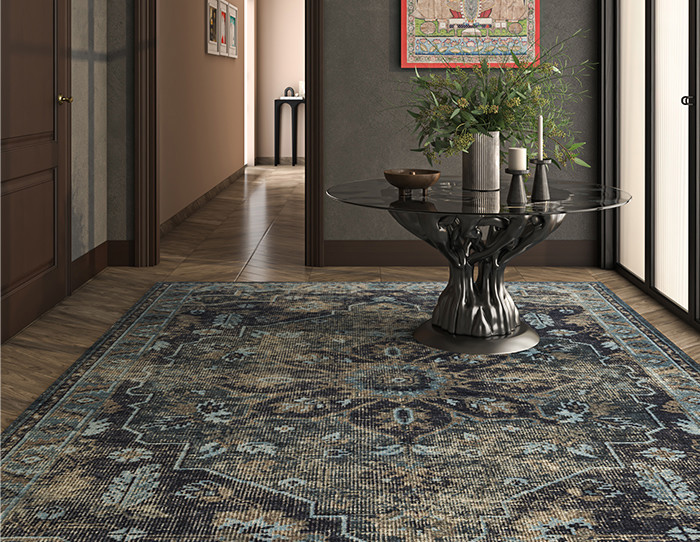
Authentic Turkish carpets are dyed using natural plant-based pigments, creating rich, earthy hues that develop a beautiful patina over time. Unlike synthetic dyes, these colors age gracefully, making vintage Turkish rugs even more valuable.
Popular Turkish rug colors include:
- Deep reds and burgundies (symbolizing passion and strength)
- Warm oranges and gold (representing energy and prosperity)
- Cool blues and greens (for peace and protection)
The Different Types of Turkish Rugs
Turkish rugs ain’t all created equal! Depending on where they are from and how they are made, they can have different textures, patterns, and how long they last. Let’s dive into some well-known Turkish rug varieties:
Oushak Rugs – The Designer’s Favorite
- Best For: Luxurious, soft aesthetics
- Look For: Large floral motifs in soft pastels
- Why It’s Popular: Favored by high-end interior designers for its elegant, faded look.
Kilim Rugs – The Minimalist’s Dream
- Best For: Bohemian, modern, and Scandinavian interiors
- Look For: Flatweave designs with bold geometric patterns
- Why It’s Popular: Lightweight, affordable, and easy to layer
Hereke Rugs – The Ultimate Luxury
- Best For: Collectors and luxury homes
- Look For: Intricate silk rug designs with gold and silver threads
- Why It’s Popular: Made for Ottoman sultans, these are some of the most expensive luxury rugs in the world
Anatolian Rugs – The Traditional Classic
- Best For: Rustic, traditional, or eclectic spaces
- Look For: Warm, rich color palettes and tribal rug motifs
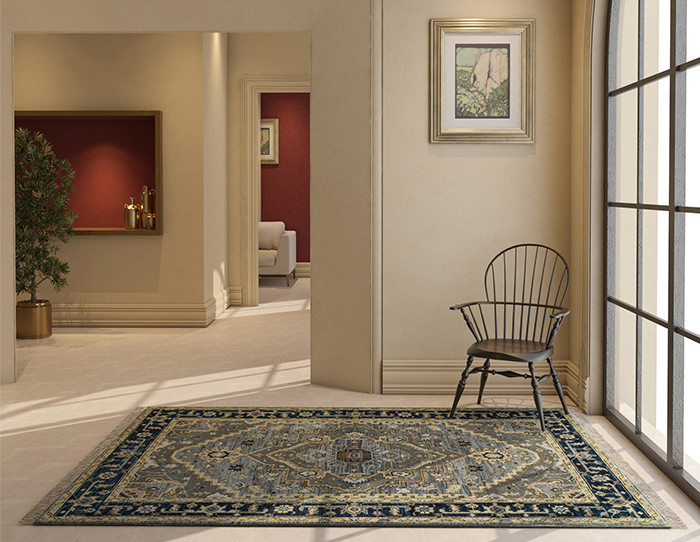
- Why It’s Popular: Each designer rug is a cultural tapestry of Turkey’s diverse regions
Why Pinterest Loves Turkish Rugs (and Why You Will Too)
They are Incredibly Versatile
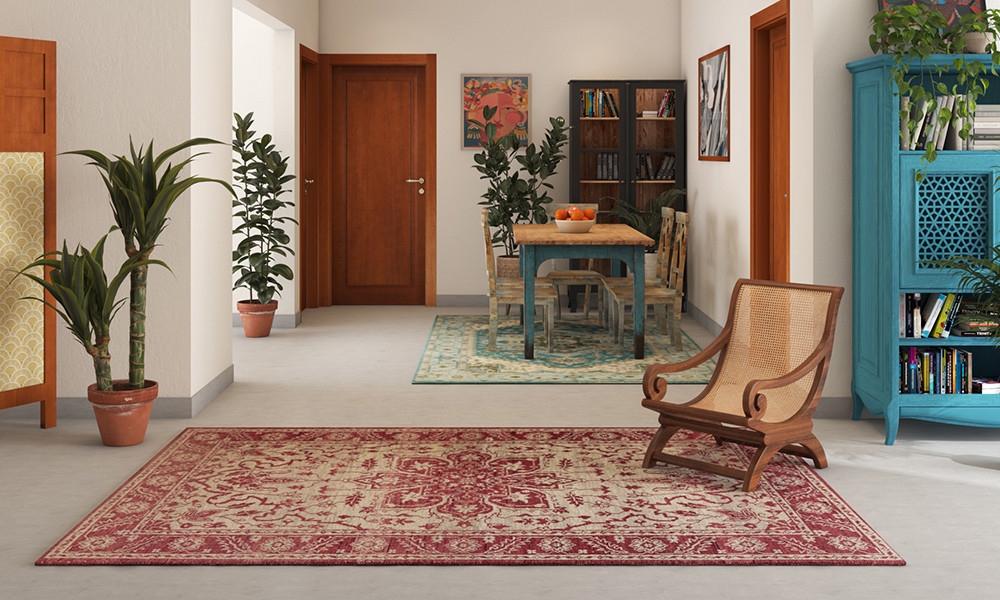
Whether your home is modern, boho, farmhouse, or minimalist, a Turkish rug adds an instant layer of warmth and texture. They can be used as statement pieces in a room or as subtle accents in neutral interiors.
They Age Like Fine Wine
Turkish rugs don’t just last decades—they get better with time. The more they’re walked on, the softer and more beautiful they become.
They Make Any Space Feel Curated
There’s something about a Turkish carpet that makes a space feel thoughtfully designed. Maybe it’s the rich colors, the intricate details, or the fact that each one has a story to tell.
They are an Investment Piece
Unlike mass-produced decor, a handwoven Turkish round rug holds its value—sometimes even appreciating over time! Many collectors see them as a form of art, passed down through generations.
How to Style a Turkish Rug Like a Pinterest Pro?
- Layer It Up: Place a Kilim rug over a larger neutral carpet for a cozy, designer-approved look.
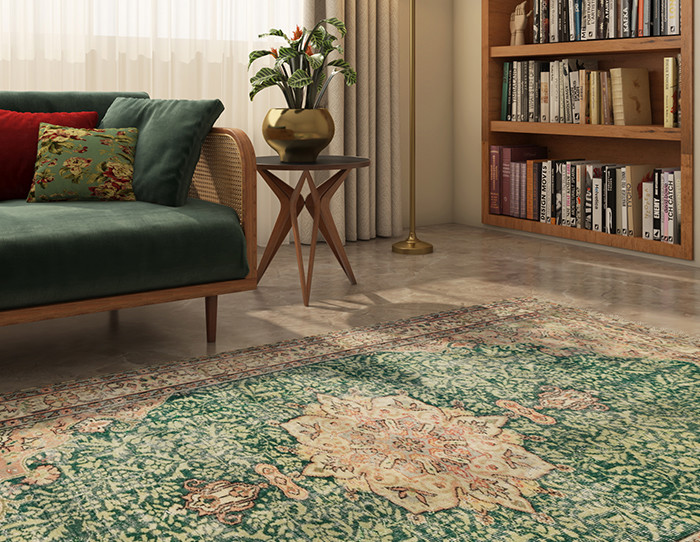
- Mix Patterns Boldly: Don’t be afraid to pair Turkish rugs with striped cushions or floral upholstery—it’s all about the art of contrast.
- Drape It Over Furniture: Use a smaller Turkish flatweave as a throw over a bench or sofa for that effortlessly chic, Pinterest-worthy vibe.
- Make It the Statement Piece: Keep the rest of your decor minimal and let your Turkish area rug take center stage.
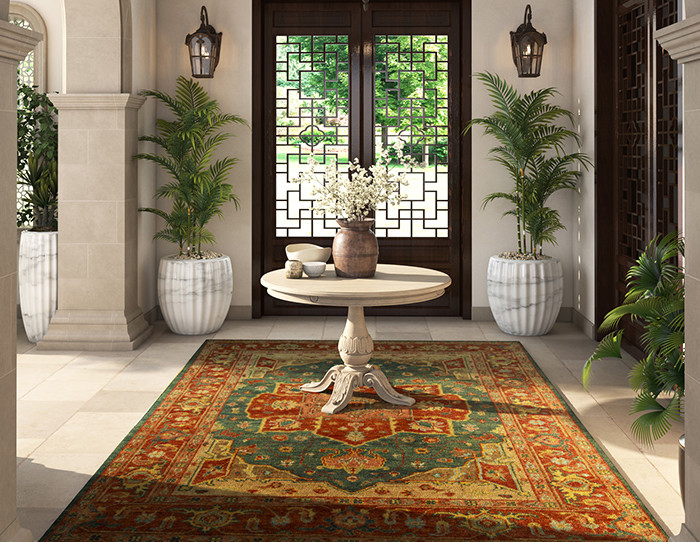
Final Thoughts: Should You Get a Turkish Rug?
If you want a decor piece that has history, style, and is Pinterest approved, Turkish hand–knotted rugs are a must-have.
So, are you ready to embrace the Turkish rug trend? Because one thing’s for sure, once you bring an authentic Turkish rug into your space, you will never look at rugs the same way again.
We will be back with another blog soon.
Till then, stay tuned and explore Indian Carpets!
FAQs
How to Clean a Turkish Rug?
To clean a Turkish rug, vacuum it often without a beater bar. Spot clean spills right away with a mild soap and water mix. Avoid using harsh chemicals. For deep cleaning, hand wash with cold water and mild detergent, or seek professional rug cleaning services. Always air dry completely to prevent mildew.
What Is a Turkish Rug?
A Turkish rug is a handwoven or hand-knotted textile originating from Turkey, known for its intricate patterns, rich colors, and fine craftsmanship. Craftsmen make these rugs from wool, silk, or cotton and often feature symbolic motifs that families pass down through generations.
What Is Significant About Each Turkish Rug?
Each Turkish rug carries unique cultural and historical significance, with motifs symbolizing protection, fertility, strength, and spirituality. The region, weaving technique, and materials used define the rug’s identity and craftsmanship.
How to Hang a Turkish Rug on the Wall?
To hang a Turkish rug, use a rug rod with clips, a rug sleeve, or a Velcro strip sewn onto the back for even weight distribution. Avoid nails or adhesives that could damage the fibers.
What Is Special About Turkish Rugs?
Turkish rugs are special for their hand knotting techniques, natural dyes, and symbolic designs. People often make them using the double-knot (Gördes knot) technique. This makes them very durable and luxurious collector’s items.
Are Turkish Rugs Worth Money?
Yes! Authentic Turkish rugs hold great value due to their handwoven craftsmanship, fine materials, and historical significance. Antique and high-quality Turkish rugs appreciate over time, making them excellent investments.
How to Tell If a Turkish Rug Is Authentic?
– Check for hand-knotted construction. You can see the knots on the back.
– Look for natural dyes. These may show slight color changes.
– Ensure the materials are good, such as wool or silk. Also, authentic handmade rugs lack a stiff backing, unlike machine-made ones.
Are Turkish Rugs Better Than Persian?
Both are great, but Turkish rugs are famous for their double-knot technique, geometric patterns, and bright colors. Persian rugs have detailed floral designs and single-knot patterns. Preference depends on style and craftsmanship.
Are Turkish Carpets Good Quality?
Yes! Turkish carpets are renowned for their durability, tight weaving, and use of high-quality wool and silk. Many are handmade using traditional techniques, ensuring long-lasting beauty.
Why Is Turkish Carpet Expensive?
Turkish carpets are expensive due to their labor-intensive hand-knotting process, premium materials, and centuries-old weaving traditions. High-knot density and natural dyes further add to their value and uniqueness.