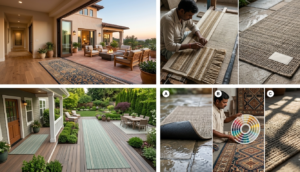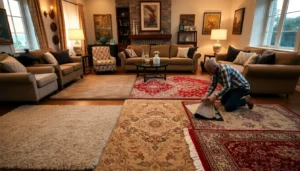
The world of interior design is constantly evolving, yet certain elements remain timeless. Among these, the Indian carpet stands out as a symbol of unparalleled craftsmanship and luxury. For centuries, India has been a global hub for textile arts, producing some of the most intricate and durable floor coverings in the world. Whether you are a seasoned collector or a homeowner looking to add a touch of elegance to your living space, understanding the heritage and quality of Indian rugs is the first step toward a beautiful home.
A Legacy of Craftsmanship
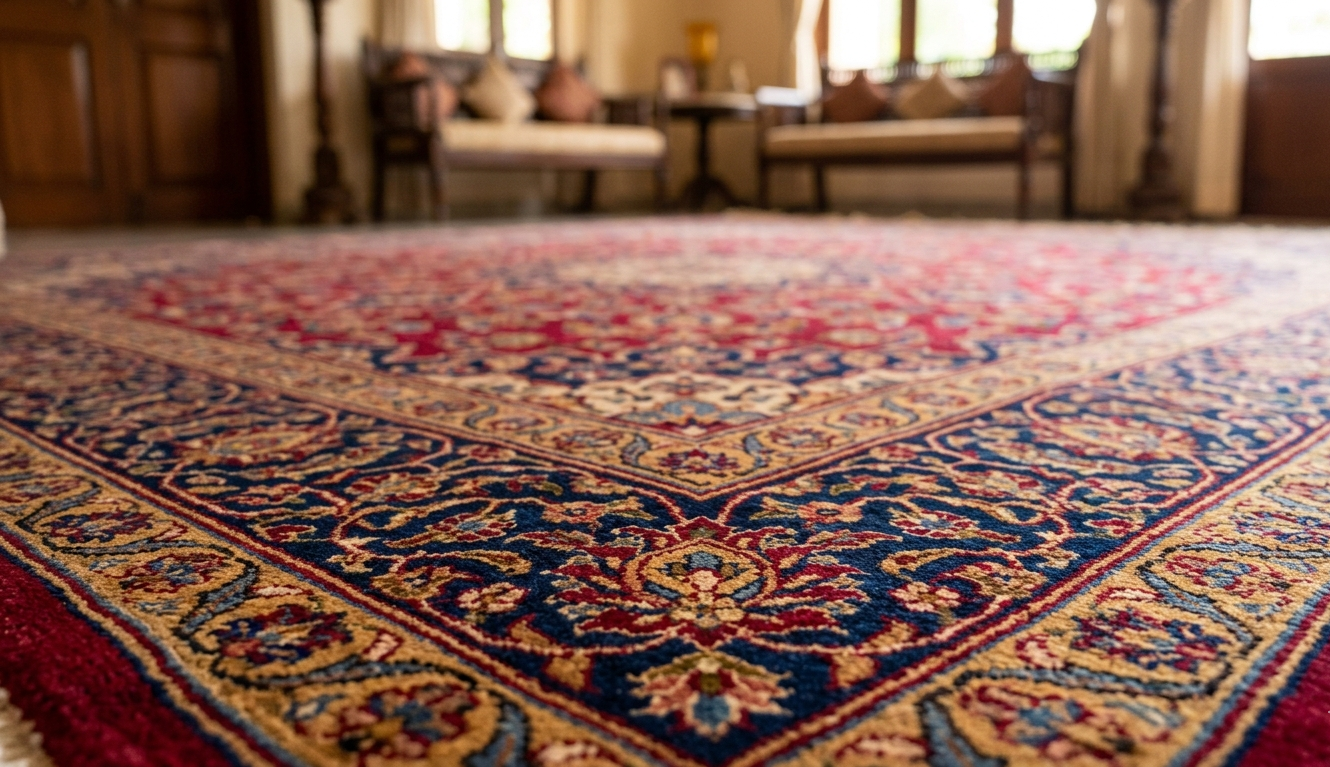
The history of the Indian carpet is deeply rooted in the royal courts of the Mughal Empire. It was during the 16th century that Persian weavers were brought to India, blending their sophisticated designs with local artistry. This fusion created a unique aesthetic that defines traditional Indian rugs today. These pieces are not just functional items; they are woven stories, carrying the legacy of generations of artisans who have perfected the art of the loom.
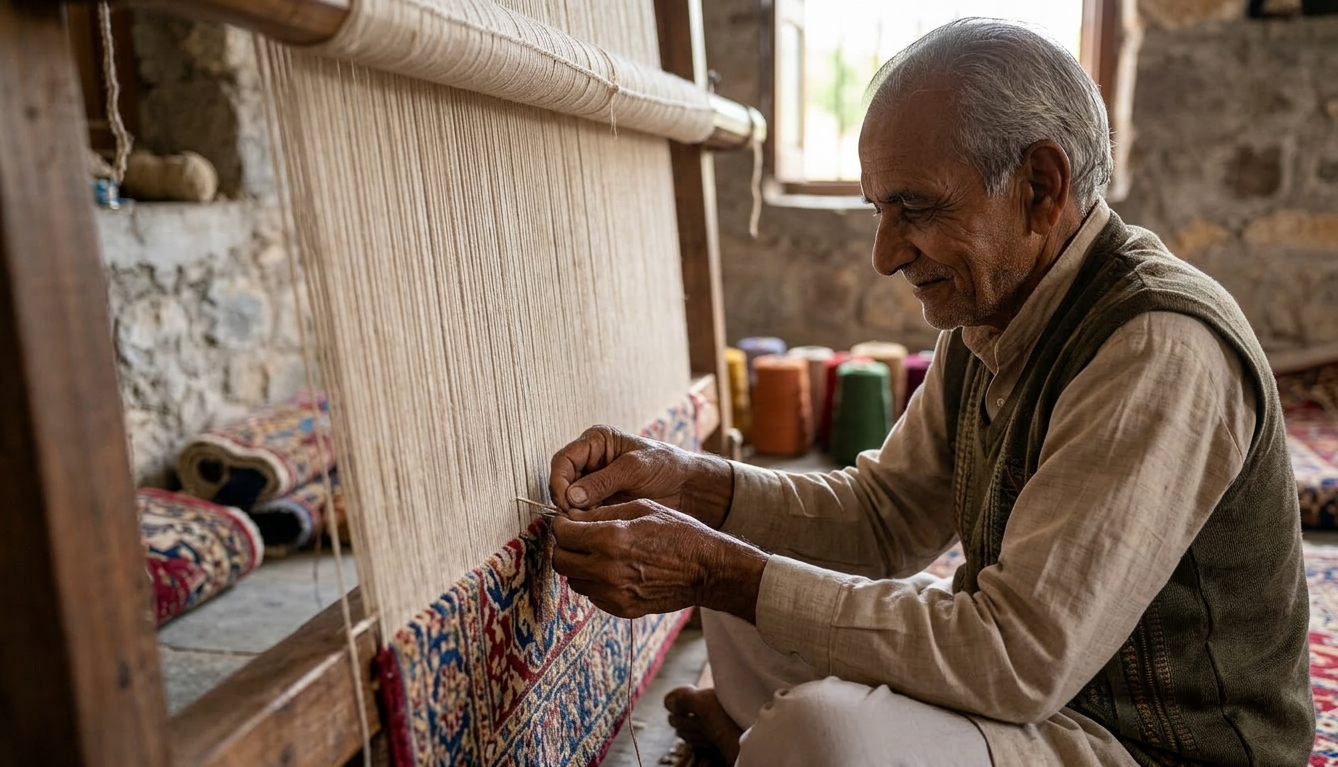
When you choose a rug from India, you are bringing home a piece of history. The meticulous process of creating handmade rugs from India involves months, and sometimes years, of dedicated labor. From the initial design to the final wash, every stage is handled with precision. This commitment to quality is what makes rug India products highly sought after in international markets.
The Beauty of Handmade Woven Rugs
In an era of mass production, the charm of handmade woven rugs is incomparable. Unlike machine-made alternatives, these rugs possess a soul. The subtle variations in color and the slight irregularities in the weave are marks of authenticity. These “imperfections” are actually a testament to the human touch, ensuring that no two rugs are exactly alike.
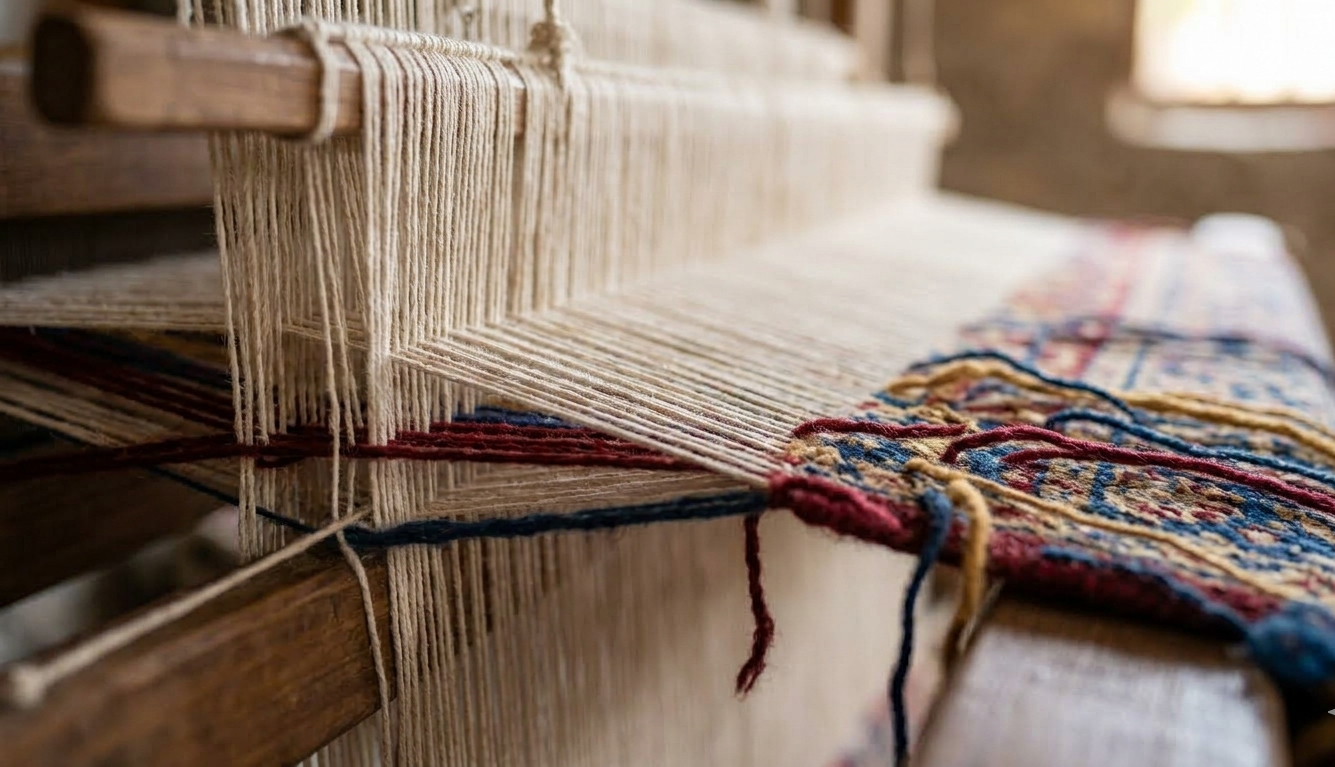
Hand-knotted rugs are the pinnacle of this craft. Each knot is tied by hand, resulting in a dense and durable pile that can last for generations. For those seeking a more contemporary feel without sacrificing the handmade quality, hand-tufted rugs offer a versatile alternative. These handmade woven rugs provide a plush texture and can accommodate complex, modern patterns that suit a variety of Indian home interior styles.
Elevating Your Space with Indian Decor
Integrating Indian rugs into your home is one of the most effective ways to embrace a sophisticated Indian decor aesthetic. These rugs serve as an anchor for any room, providing a foundation of color and texture. If you are designing an Indian home interior, a large oriental piece can pull together different elements of furniture and wall art, creating a cohesive and inviting atmosphere.
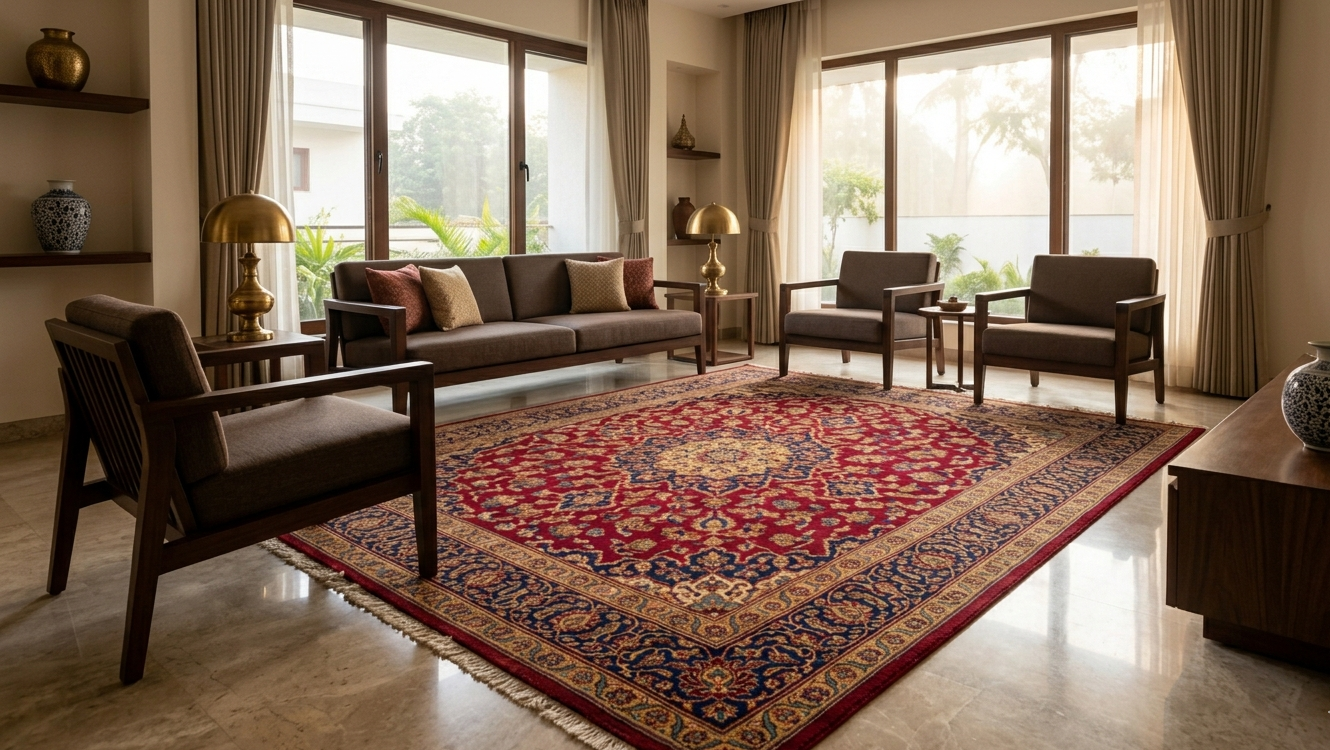
For a modern look, consider a minimalist area rug with subtle Indian motifs. These pieces offer the warmth of traditional weaving while maintaining a clean, contemporary line. On the other hand, if you prefer a more vibrant Indian home interior design, bold floral patterns and rich jewel tones can transform a simple room into a majestic space.
Choosing the Right Size and Style
Selecting the perfect rug involves more than just picking a beautiful pattern; size is crucial. Common standard rug sizes like 8×10 or 9×12 are ideal for living rooms and master bedrooms. For smaller areas or entryways, a 5×8 rug or 4×6 rug can add a pop of color without overwhelming the space.
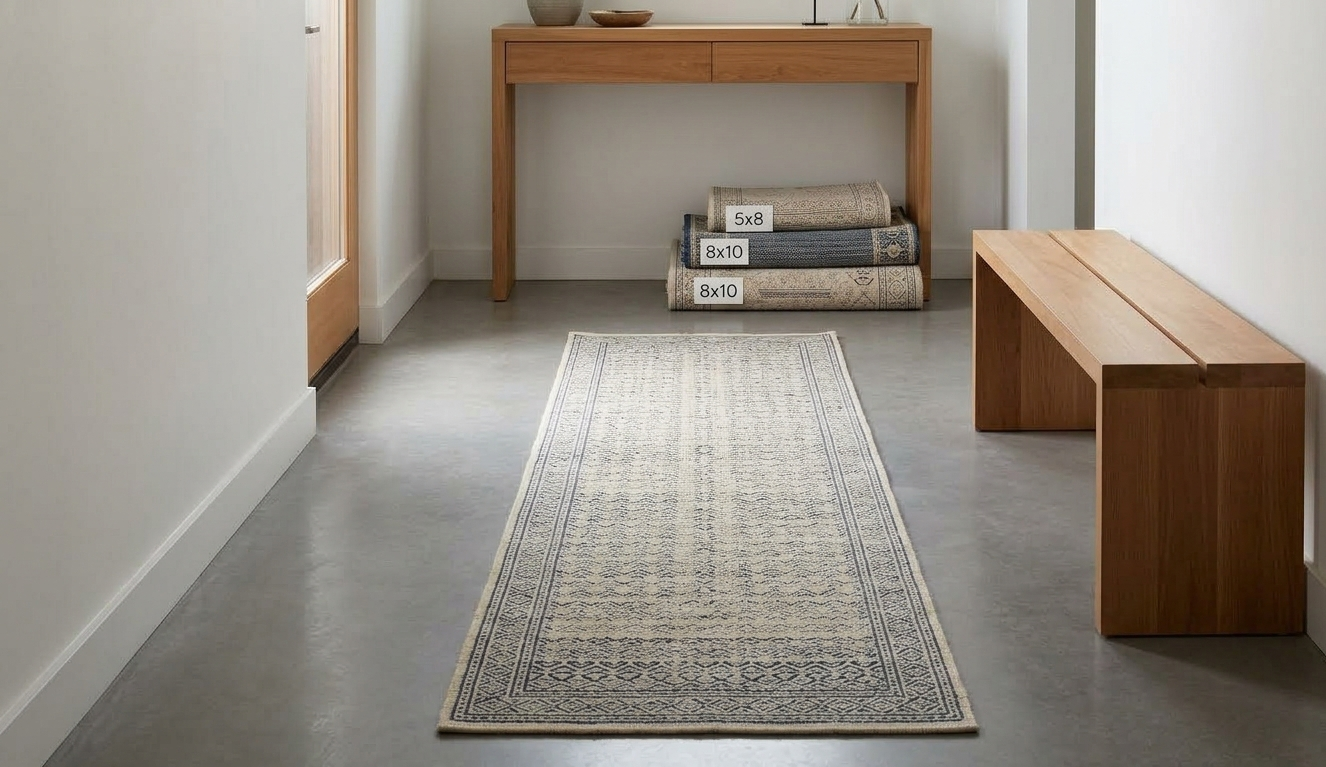
If you are looking to enhance a hallway or a narrow kitchen area, runner rugs are the perfect solution. Understanding standard rug measurements helps in visualizing how the piece will sit in relation to your furniture. A well-placed Indian rug can actually make a room look bigger and more organized. In rugs in small spaces, opting for lighter colors and smaller patterns can create an airy, open feel.
The Versatility of Oriental Wool Rugs
Among the various materials used in rug making, wool remains a favorite. Oriental wool rugs crafted in India are known for their resilience and natural stain resistance. Wool is a sustainable fiber that ages gracefully, developing a beautiful patina over time. These rugs are perfect for high-traffic areas because the fibers naturally bounce back, maintaining the rug’s shape and loft for years.
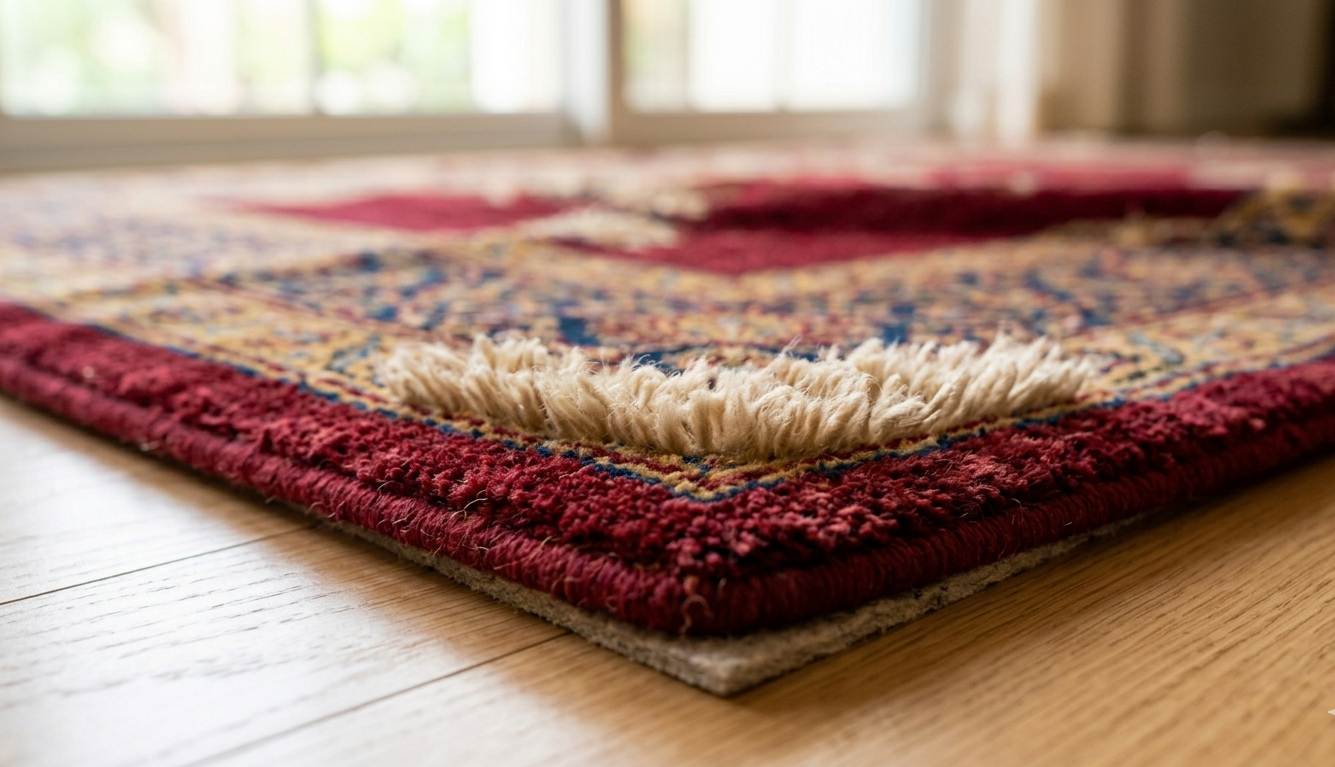
The texture of oriental wool rugs adds a layer of comfort that synthetic materials simply cannot replicate. They provide excellent insulation, keeping your floors warm in the winter and cool in the summer. When paired with high-quality rug pads, these wool pieces offer a luxurious underfoot experience while protecting your hardwood floors from wear and tear.
Customization: Your Vision, Our Craft
One of the most exciting aspects of the modern rug industry is the ability to create a custom rug. If you have a specific vision for your home that standard designs cannot fulfill, a customized rug allows you to be the designer. You can choose the exact dimensions, color palette, and pattern to match your unique style.
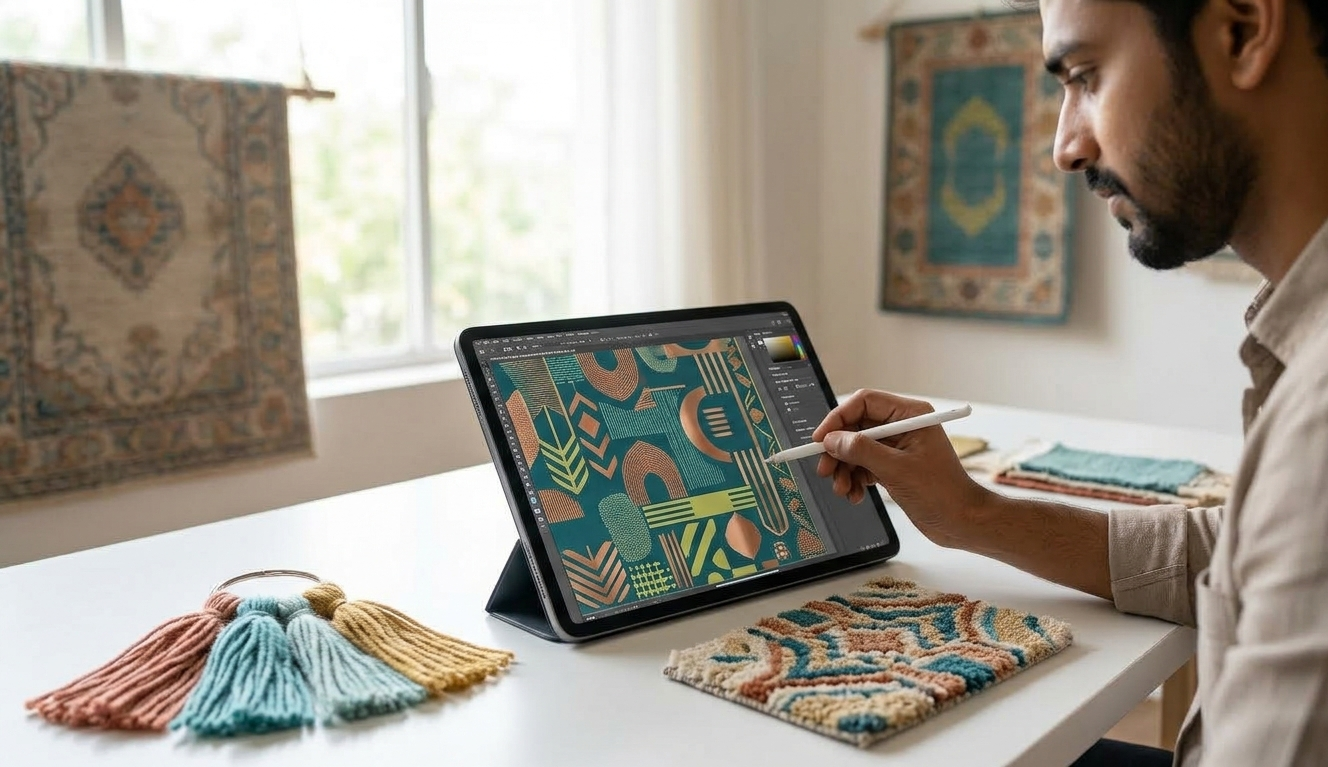
A custom rug is the ultimate expression of personal taste. Whether you want to replicate an antique motif or create a completely original contemporary design, Indian artisans can bring your vision to life. This bespoke service ensures that your rug is a perfect fit for your space, both physically and aesthetically. From 120×96 in feet sizes to unique geometric shapes, the possibilities for customized rugs are endless.
The Practicality of Rug on Carpet
A common design question is whether you should place a rug on carpet. The answer is a resounding yes. Layering a rug over wall-to-wall carpeting is a great way to define a space and add a layer of texture. This technique is particularly useful for renters who want to personalize their space without making permanent changes.
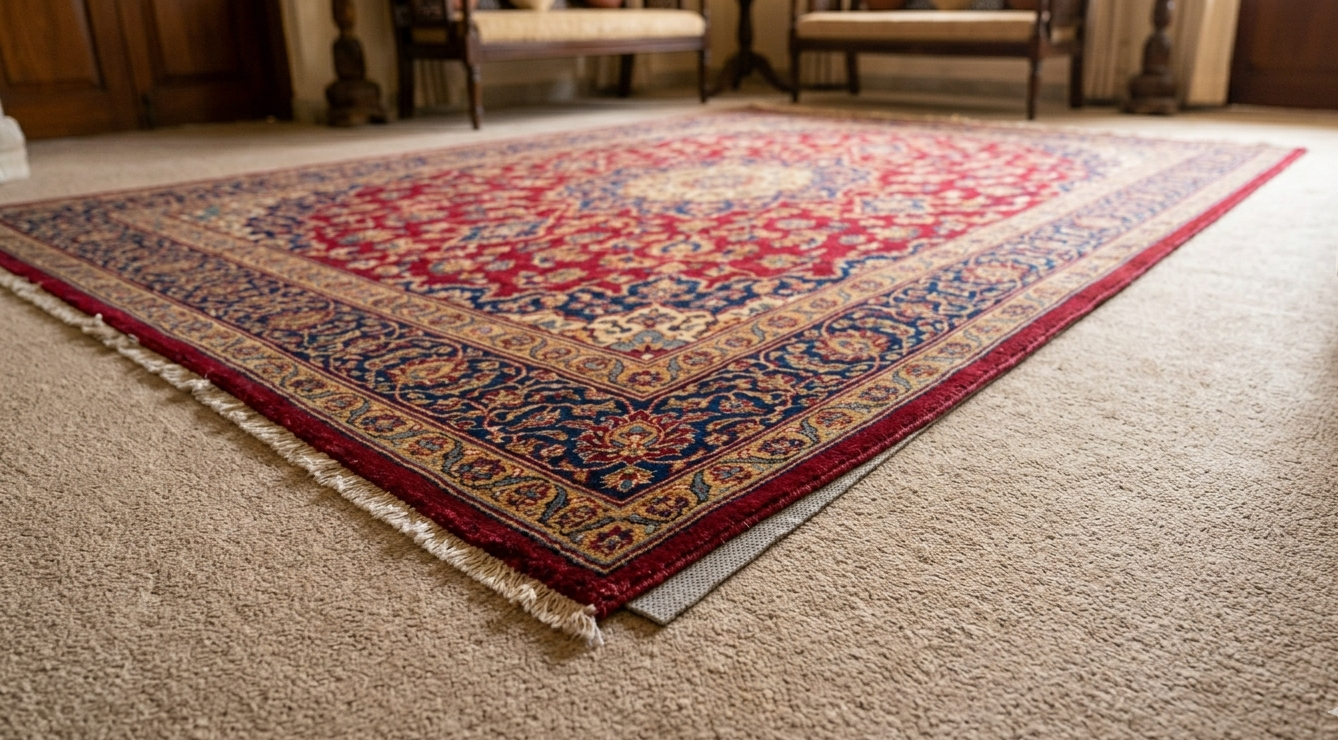
When placing a rug on carpet, it is important to use a specialized rug pad to prevent the piece from shifting or bunching. A bold Indian carpet placed over a neutral neutral carpet can act as a focal point, drawing the eye and adding character to an otherwise plain room. This is an easy way to refresh your Indian home interior design without a full renovation.
Maintenance and Longevity
To ensure your investment lasts for decades, proper care is essential. Knowing how to wash oriental rugs is vital for maintaining their vibrancy. For regular maintenance, frequent vacuuming (without a beater bar) will remove dust and grit that can wear down the fibers. If a spill occurs, blotting—not rubbing—is the key to preventing stains.
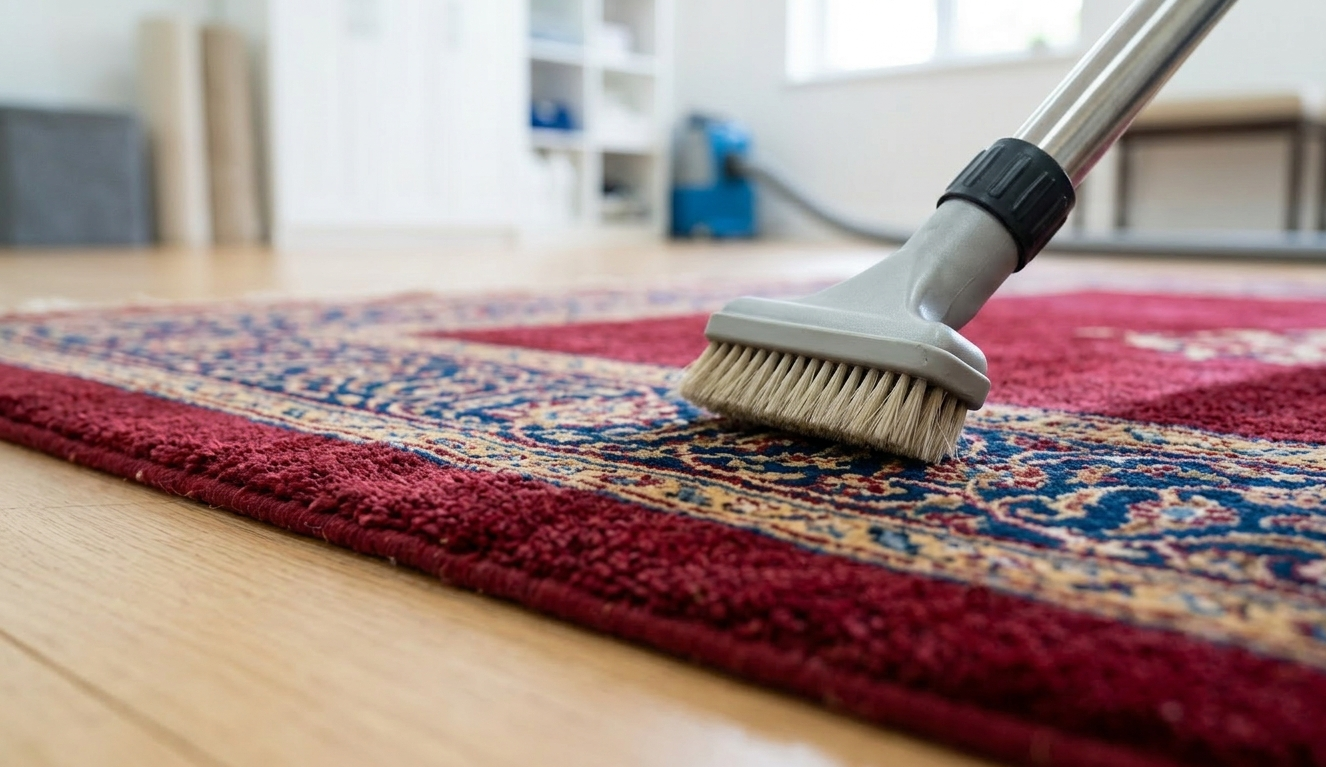
For a deep clean, it is always recommended to seek professional services experienced in cleaning area carpets. They understand the delicate nature of natural dyes and hand-woven fibers. Using the right oriental rug pads also contributes to the longevity of the rug by providing a buffer between the rug and the floor, reducing friction and preventing unnecessary wear.
Supporting a Sustainable Art Form
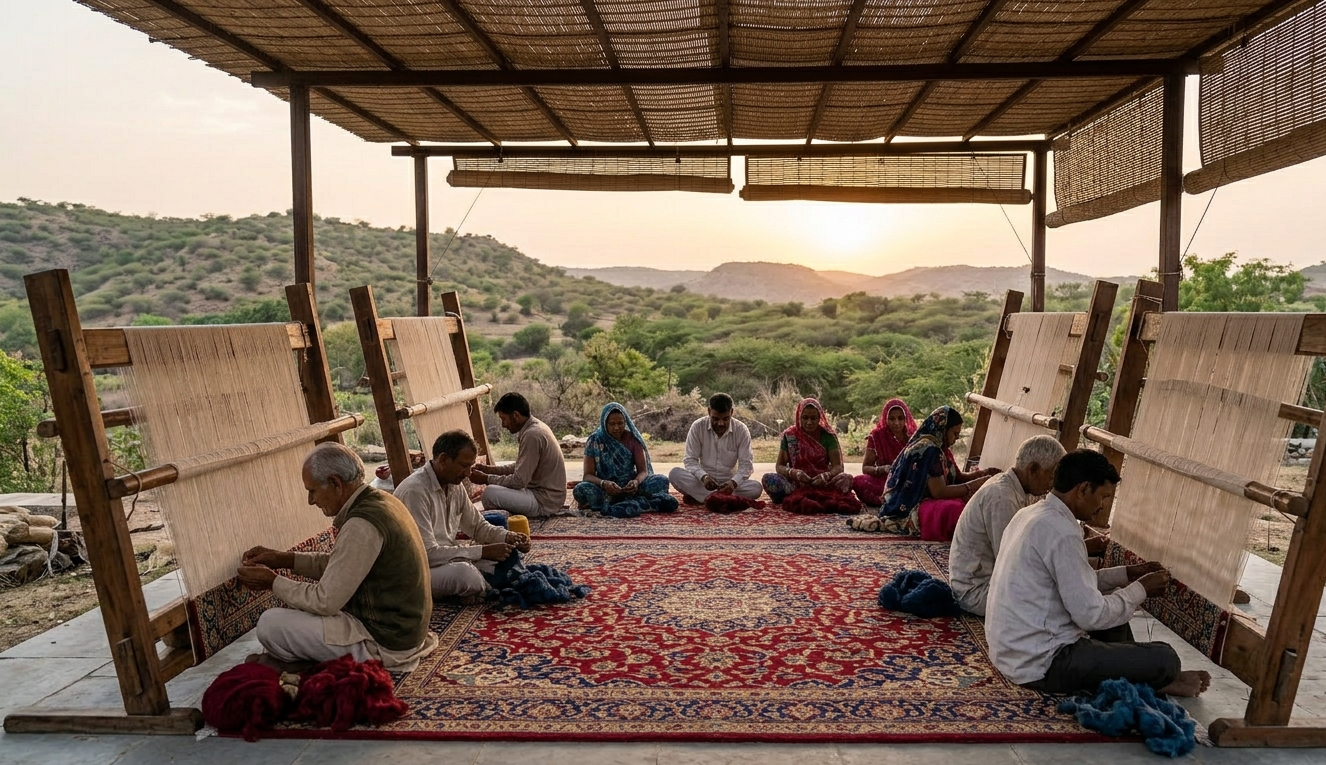
By choosing an Indian carpet, you are supporting a sustainable and ethical art form. Most handmade rugs from India are made from natural fibers like wool, silk, and cotton, which have a much lower environmental impact than petroleum-based synthetic rugs. Furthermore, the rug industry provides vital employment to thousands of artisans in rural India, preserving cultural heritage and supporting local economies.
Frequently Asked Questions
How can I tell if an Indian rug is truly handmade?
Flip the rug over and look at the back. A handmade rug will have slightly uneven knots and the pattern will be as clear on the back as it is on the front. Machine-made rugs typically have a very uniform, grid-like backing.
What size rug do I need for a king-size bed?
For a king-size bed, an 8×10 or 9×12 rug is standard. This allows the rug to extend beyond the sides and foot of the bed, creating a soft landing for your feet in the morning.
Are Indian wool rugs easy to clean?
Yes, wool is naturally coated with lanolin, which makes it resistant to stains and dirt. Regular vacuuming and occasional professional cleaning will keep your oriental wool rugs looking new for years.
Can I order a rug in a specific size?
Absolutely. The option for a custom rug means you can specify any dimensions you need, ensuring a perfect fit for your specific room layout.
Final Thoughts
The Indian carpet is more than just a floor covering; it is a masterpiece of design and human effort. Whether you are drawn to the intricate details of traditional Indian rugs or the sleek look of modern handmade woven rugs, these pieces bring a sense of warmth and history to any home. By understanding the craftsmanship behind every knot and weave, you can choose a piece that not only enhances your Indian decor but also becomes a cherished heirloom for years to come.