Desi Meets Designer: Best Indian Home Interior Design Ideas You Need To Try!
16 Jan 2026 | 10 Min Read | By Indian Carpets
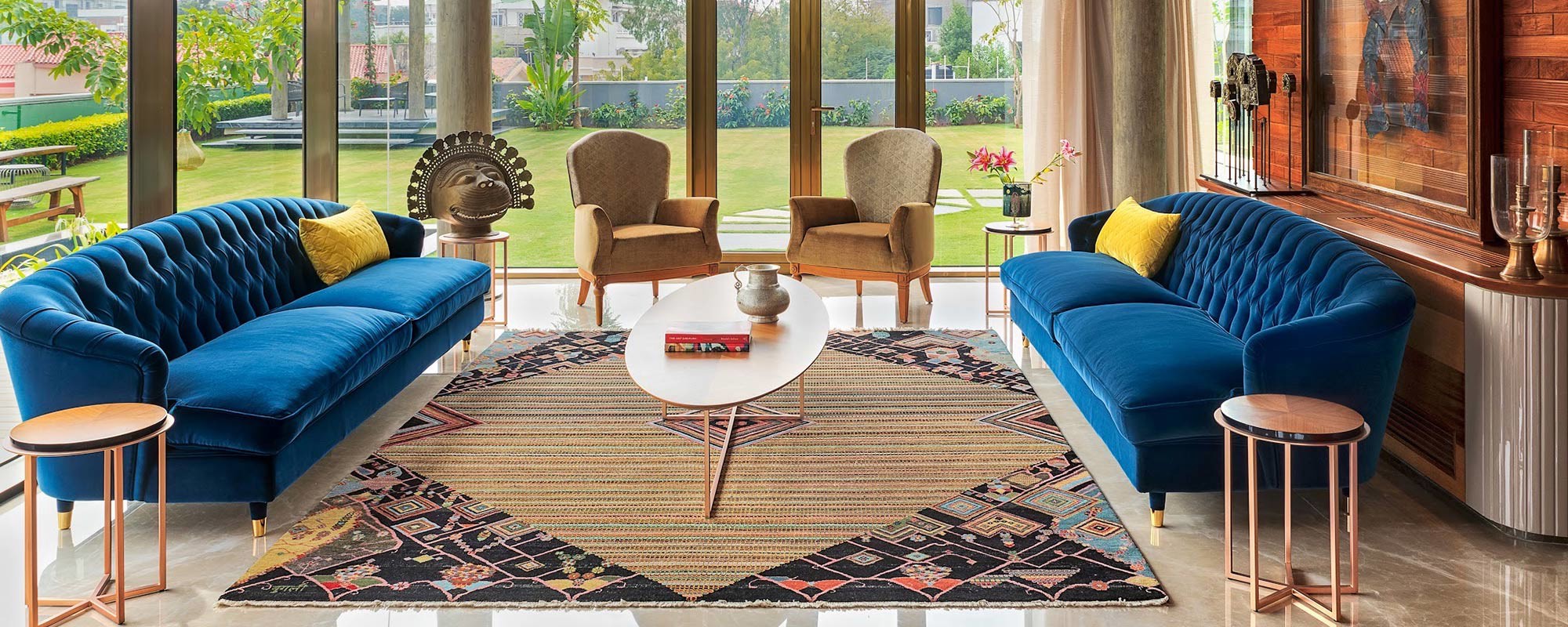
Still decorating your home with tired clichés and “safe” Pinterest boards? It’s time to shake things up. This isn’t your regular “how to decorate” post. We are diving deep into modern Indian interior design with a desi-meets-designer twist—where bold meets sacred, and tradition flirts with fashion. You will get fierce room-by-room ideas, unexpected color codes, and spicy truths interior designers won’t say out loud. Curious what your living room really says about you? Read on—but be warned: you may want to redo your entire house by the end.
Welcome to the world where chaandni chowk meets contemporary chic, and where your dadi’s brass lamp coexists (peacefully) with a sleek Scandinavian wool rug. That, my friends, is the magic of modern Indian interior design. A gorgeous blend of tradition and trend, a space that smells like masala chai but looks like Architectural Digest.
Let’s rip off the superficial brand gloss: traditional Indian home decor as your main aesthetic? That’s dated. Hand-painted elephants on every pillow? Cringe. Design ruled by hierarchical living rooms and pooja rooms at the center? Yawn. What’s new, bold, and truly designer? The rise of desi home design that doesn’t look like your grandmother’s house but instead speaks fluent fashion and provocation. If you have been craving some home interior design ideas that feel like you, truly you—rooted, modern, a little quirky, and unapologetically desi—then consider this your interior design halwa-puri.
Let’s begin.
Kill the Souvenir Syndrome
Look around: endless ethnic pillows, elephant & peacock prints, dusty calendars, you have been there. It’s time to curate, not clutter. Instead of displaying every heritage item, spotlight one statement piece: maybe a sculptural brass floor lamp, a hand-carved jharokha mirror, or an antique wall art. Pair it with a modern rug in neutral tones or a bold geometric rug to bring balance and contrast. It signals intention, not confusion.
Quick fix: That colorful elephant hanging charms near the couch or window? Put it away. You are not running a souvenir shop.
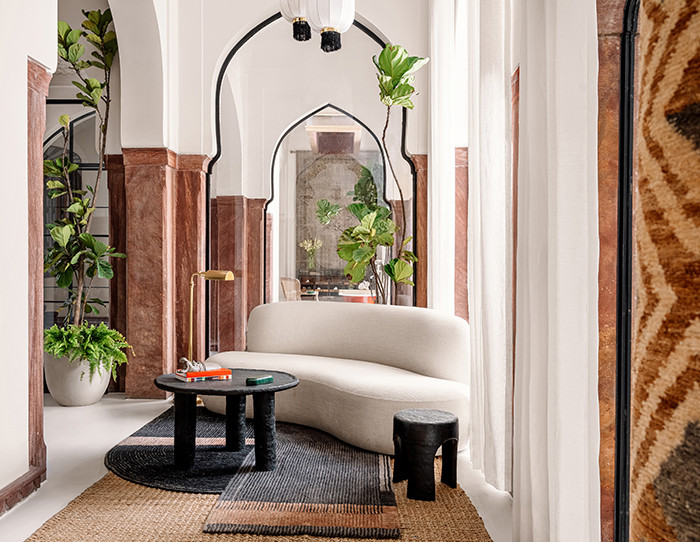
Bedroom: Subtle, Sensual Sanctuary
Break the pattern of matching bedspreads and curtains. Instead, start with a plush silk rug at the bed’s edge for tactile luxury. Overlay at the foot with a muted abstract rug for texture contrast. Consider a low-profile headboard with natural grain, and select bedding in warm, earthy tones—think terracotta, clay, or sienna.
Swap glossy nightstands for matte-finish wood or metal. Add sculptural ceramic lamps with dimmers to engage mood lighting. Boom—your bedroom interior design ideas are finally living up to the word “design.”
Living Room: Lounge Like a Curator
Say goodbye to carpet overload. A well-chosen floral rug can provide 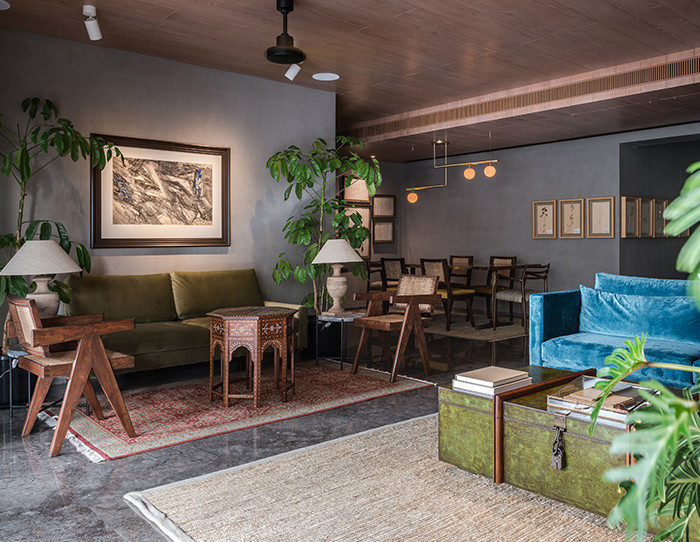
warmth without screaming vintage. A minimalist sofa and sleek cane chairs perched on a blue rug offer modern calm. Add a small Persian Rug as a wall tapestry above an understated media unit—a gallery-worthy statement over constant clutter.
Layer design by adding handwoven cushions and a discrete brass-trimmed side table. Use one standout mirror and a couple of strategically placed potted plants. Your living room becomes a vibrant desi mood board—visually dynamic but stable.
Kitchen: The Unexpected Chore-Space Showstopper
Your kitchen isn’t just for cooking, it’s a creative canvas. Replace your doormat-rug with flatweaves or runners in washable hemp blend near the sink. Install sleek floating shelves and display your masala in glass bottles. Install brass knobs instead of plastic. Your kitchen becomes Instagram-worthy without sacrificing utility.
On a side wall, hang a small colorful rug as art. Functional? Maybe not. Stunning? Absolutely.
Office: OCD-Free Zone with Designer Winks
Your work zone doesn’t have to feel bland or remote. Choose a Kilim rug—flat, patterned, professional. Let it sit under a minimalist metal desk. Add a single oversized print above desk for visual elevation. Skip cork boards and go for clean wall-mounted shelves with brass accents.
Position a classic leather chair and a sculptural brass lamp. Add one exotic trinket—like a Thanjavur statue or a lacquered box. It screams “impressive,” but whispers “intention.”
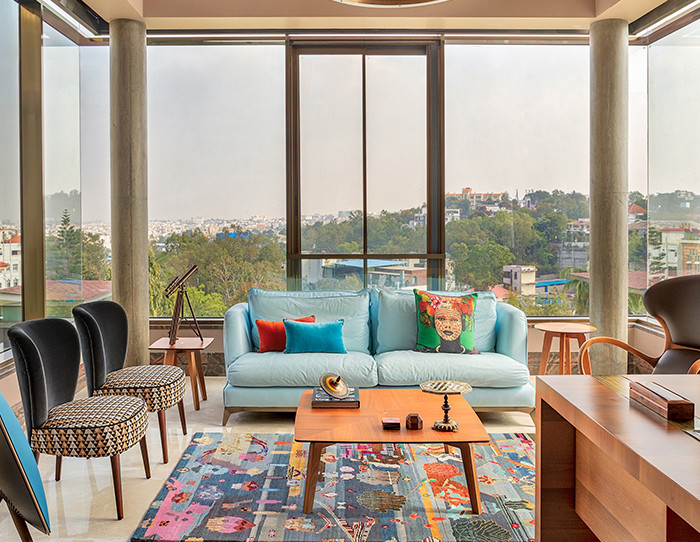
Walls: Ditch the Mundane
Plain walls are so 2010. If you want texture, hang a traditional rug as tapestry, a cultural artifact you can change like art, not store. Accent with modular acoustical panels to soundproof and style. Or use statement wallpaper that echoes heritage patterns, but in subdued tones.
Pro tip: One large mirror can expand your room visually and help light bounce in dim corners. This is interior decoration done like a pro.
Hallways & Entryways: Dramatic First Impressions
Your home starts at the door. Replace dusty doormats with a bold red rug that hints at drama. In narrow hallways, a slim blue rug runner directs flow and adds color without swallowing your space.
Add a console table with minimal decor, one vase with jasmine, a tray for keys. Let visitors feel the mood, no clutter, no chaos, just curated style.
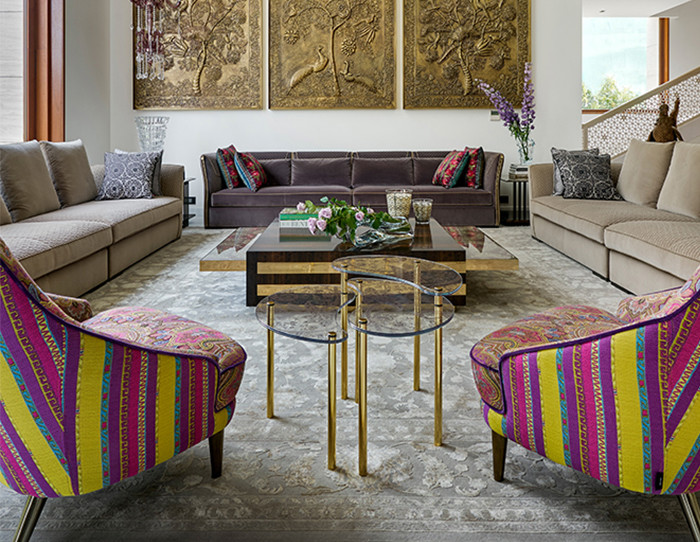
Mixing Trends: The Designer’s Edge
Here’s the secret: don’t mimic trends—interpret them. This year’s mantra is intentional eclecticism. Use neutrals as canvas, then punctuate with:
- A Persian Rug under a brass-trimmed coffee table
- A floral rug under a plain-legged sofa
- Sleek fixtures over raw textures
Intentional layering introduces depth. It says: I know design, but I also know me.
Common Faux Pas to Avoid
- Drowning in Decor – If every surface has an ornament, nothing stands out. Prioritize your VIP pieces.
- Matchy-Match Fail – Matched sofa, curtains, cushions—so 2008. It feels staged, not styled.
- Trend-Chasing, Soul-Empty – Don’t buy a fad sofa when your space asks for tactile rugs and warm lighting.
- Ignoring Size and Flow – A too-small rug fragments your room. Instead, pick one statement modern rug or runner that seats all furniture in a zone.
| Room | Key Rug Type | Design Focus | Spice It Up With |
|---|---|---|---|
| Living Room | Floral + Blue Rug | Mood, Comfort & Dialogue | Brass mirror, cane lounge chair |
| Bedroom | Silk + Abstract Rug | Luxury & Texture | Retro ceramic lamp, matte wood headboard |
| Kitchen | Flatweaves Rug | Practicality & Style | Floating spice shelves, brass handles |
| Home Office | Kilim Rug | Productivity & Visual Identity | Sculptural wall art, leather desk chair |
| Hallway/Entry | Red Runner or Rug | Dramatic First Impression | Console with jasmine vase, key tray |
Designer Takeaway: Less Is Luxe
This year, interiors aren’t about abundance; they are about meaningful vibrance. The rule: More intention, less stuff. Every rug, piece of furniture, and lamp must resonate with your personality, heritage, and style purpose.
Desi home design that works today is intelligent, not ironic: a thoughtfully chosen designer handmade rug, a few cultural nods, impeccable lighting, and silhouettes that say “understated confidence.”
Summing Up..
Your home is your identity blueprint; don’t etch it using clichés. Instead, opt for powerful, culturally blended elements:
- A plush red rug at the entrance for immediate welcome
- A geometric rug in the lounge for structure
- A discreet silk rug in the bedroom for texture
- A floral rug on walls or casual zones to soften edges
And yes, give each room the home interior design ideas it deserves: individuality mixed with trending edge.
In the end, Desi meets designer isn’t a tagline, it’s your home’s manifesto.
We will be back with another exciting blog soon!
Till then, stay tuned and explore Indian Carpets.
FAQs
What Is Indian Interior Design Style?
Indian interior design blends vibrant colors, rich textiles, carved wood furniture, and cultural elements like traditional art, patterns, and handcrafted décor.
What Is the 3-5-7 Rule in Decorating?
The 3-5-7 rule suggests grouping decorative items in odd numbers (3, 5, or 7) for a more visually appealing and balanced look.
What Is the 70 30 Rule in Interior Design?
The 70/30 rule means using 70% of a dominant style or color and 30% of a contrasting or complementary one to create balance and interest.
What Do You Mean by Interior Decoration?
Interior decoration involves enhancing the look and feel of a space through furniture, color schemes, accessories, lighting, and textiles.
What Is Considered Interior Decorating?
Interior decorating includes choosing and arranging furniture, selecting paint colors, hanging art, adding rugs, and styling accessories to create a cohesive interior look.