
Understanding Focal Points in Visual Design
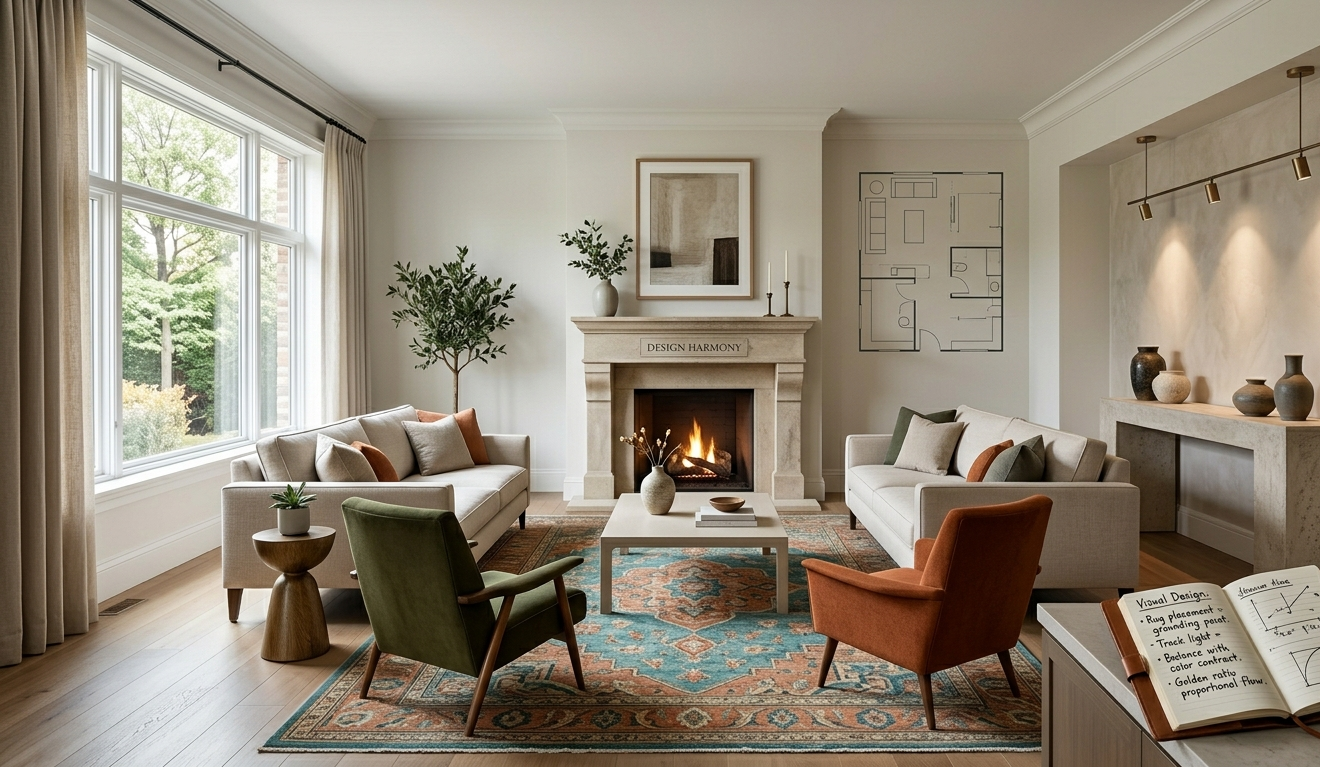
If you have ever come across a “focal points crossword puzzle clue,” the answer you penciled in was likely “center,” “heart,” or “hub.” In the world of visual design, this definition is entirely accurate. A focal point is the star of the show—the very first place your eyes land when you enter a room or look at an image.
But why does a room need a main attraction? Without a defined center of attention, a space feels chaotic and overwhelming. The human eye naturally searches for a resting place. By learning how to create a center of interest, you establish harmony and order, transforming a confusing layout into an inviting, purposeful environment.
Whether you are designing a cozy bedroom or laying out a website, mastering visual hierarchy is the key to stunning results.
The Core Principles of Visual Composition
To understand how to anchor a space, we first have to look at the universal laws of design. These concepts transcend mediums, applying just as much to digital art as they do to your living room layout.
Borrowing from Photography and Art
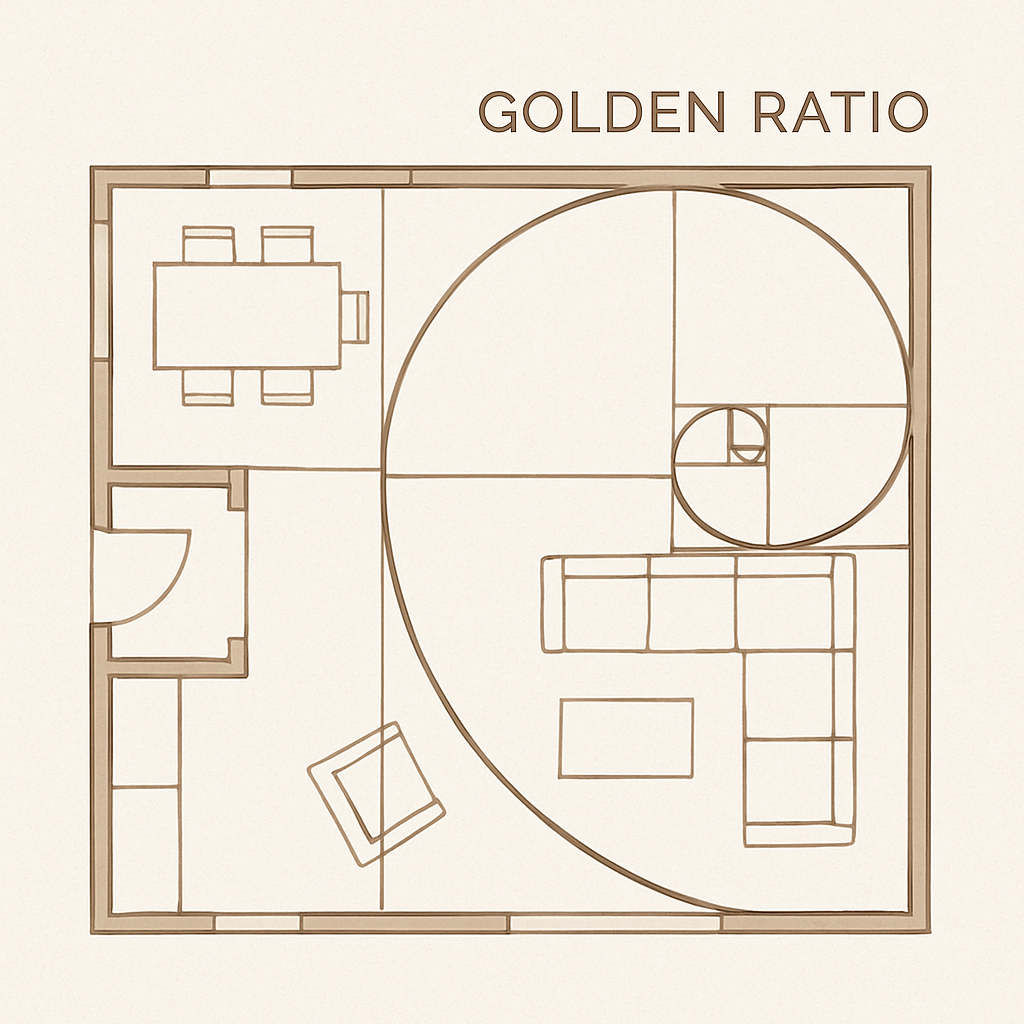
The foundation of visual hierarchy is heavily inspired by classical art. For instance, the rule of thirds dictates that an image should be divided into a grid of nine equal squares. Similarly, the Golden Ratio (approximately $1:1.618$) is a mathematical ratio found in nature that designers use to create aesthetically pleasing proportions. In a room, this might mean your primary focal point occupies about two-thirds of a wall, leaving the remaining one-third for negative space.
Establishing Natural and Artificial Anchors
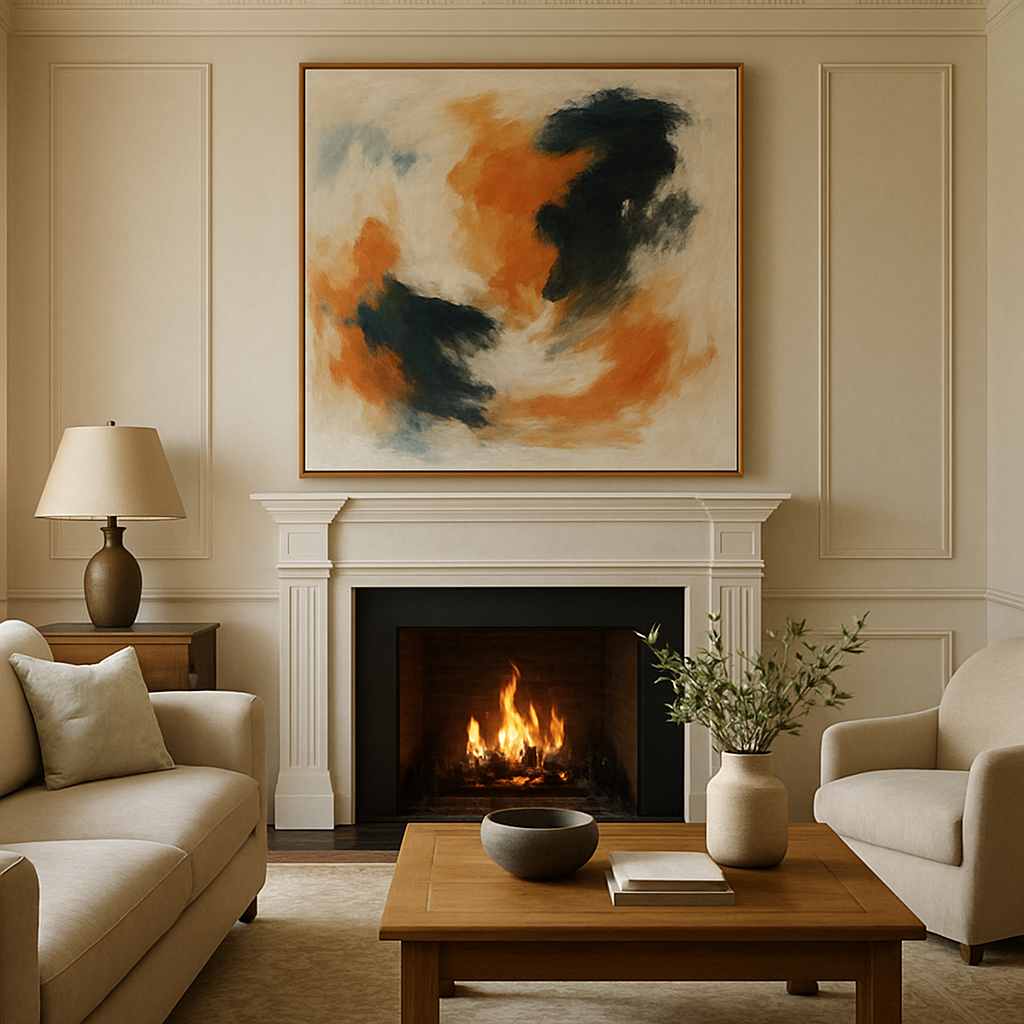
The most effective designs usually rely on architectural features as natural anchors, like a grand fireplace or a bay window. However, if you are starting with a plain room, you will need to create your own anchor using statement furniture or accent walls.
Establishing Natural and Artificial Anchors
When evaluating a room, the first step is to identify what already exists. The most effective designs usually rely on architectural features as natural anchors. A grand fireplace, a stunning bay window with a view, or exposed wooden beams instantly command attention.
However, not every room is blessed with stunning architecture. If you are starting with a plain, boxy room, you will need to create your own anchor. This brings up a classic design debate: statement furniture vs accent walls.
- Accent Walls: A bold paint color or dramatic wallpaper can instantly draw the eye. It is cost-effective and creates a backdrop for the rest of your decor.
- Statement Furniture: An oversized, brightly colored velvet sofa or a unique vintage cabinet serves as an excellent anchor piece for living room spaces. It provides a tactile, functional center of interest.
Interestingly, establishing order sometimes requires a bit of decluttering. If you have ever played video games and searched for a “skyrim cleanse focal points” walkthrough to restore order in the game’s magical world, you understand the underlying concept: you must clear out the surrounding clutter and chaotic energy to empower a central hub. In interior design, removing distracting elements is just as important as adding beautiful ones.
The Power of Textiles: Foundation of the Room
When discussing room design, people often forget the floor. The floor grounds your entire visual scheme. When deciding on a foundation, you might wonder about the best floor settings:
- Mats: Highly functional for entryways but rarely used as design anchors.
- Carpets: Wall-to-wall carpets provide a unified, seamless look and superior insulation.
- Area Rugs: The ultimate design tool for creating visual hubs. Textiles have an unmatched ability to define a space.
Design blogs frequently feature headlines like, “Area Rugs: To Give Your Living Room a Focal Point!?” because textiles have an unmatched ability to define a space.
Unpacking the Magic of Rugs
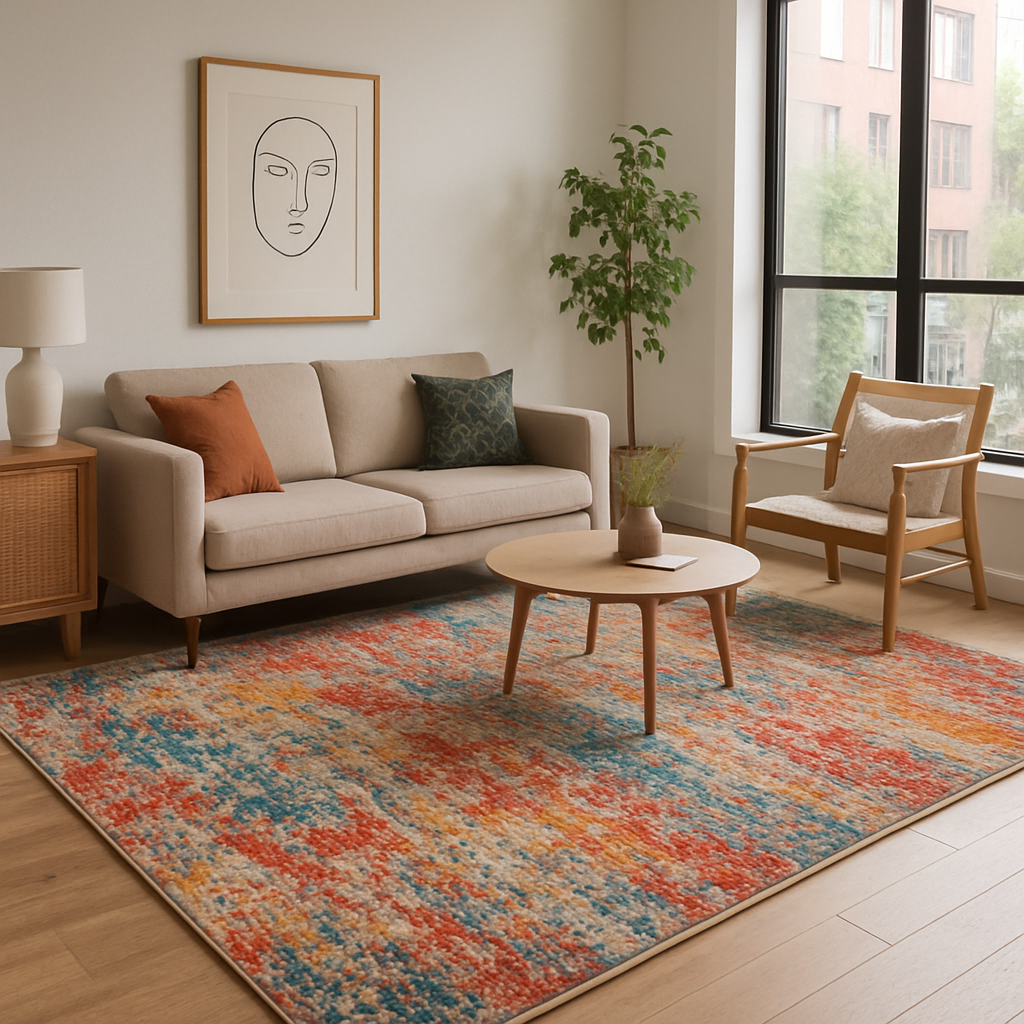
To use rugs effectively, it helps to understand their characteristics. Modern styles, such as irregular carpets
, often feature bold geometric patterns and asymmetrical designs that act as “art for the floor.” High-quality Kashmiri silk carpets add texture and introduce complementary colors that enhance the beauty of any home.
If you are looking at contemporary styles, what are the main features of modern area rugs for home interiors? Modern rugs often feature bold geometric patterns, asymmetrical designs, abstract art motifs, and sustainable materials like bamboo silk or recycled fibers. They act as “art for the floor.”
How will rugs and carpets enhance the beauty of the home? They add much-needed texture, introduce complementary colors, and create distinct “zones” in open-concept living spaces.
5 Ways to Create a Focal Point with a Rug
If you want to master flooring design, here are five strategies:
- Play with Scale and Illusion: A large, intricately designed rug draws the eye outward, making a living room appear larger.
- Embrace Seasonal Swaps: Swap heavy winter wools for lighter textures during summer months.
- Introduce Bold Colors: Use a vibrant tufted carpet in a neutral room to tell the eye exactly where to look.
- Layer Your Textiles: Place a smaller, highly patterned rug over a large, neutral base to build texture.
- Source High-Quality Artistry: Treat your rug like a fine painting. By sourcing from reputable dealers, you find artisan-crafted pieces that naturally command attention.
Layout and Flow: Guiding the Eye
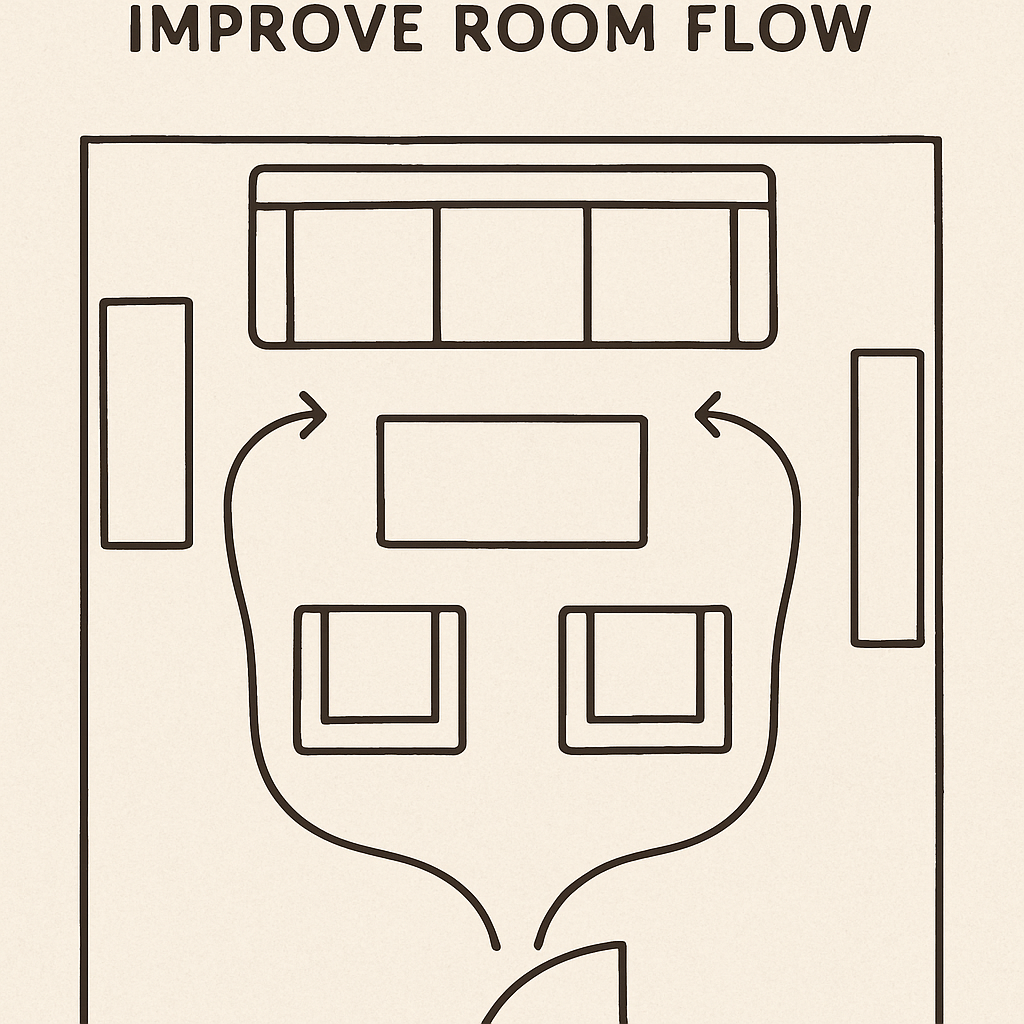
Once your center of interest is established, you must arrange the room to support it. Improving room flow through furniture placement is crucial. You never want the back of a sofa blocking the view of your main attraction.
Designers also rely on leading lines to guide the eye. You can use the lines of a long dining table or the arrangement of linear lighting fixtures to point directly toward your main attraction.
Improving room flow through furniture placement is crucial. You never want the back of a sofa or a tall bookshelf blocking the view of your main attraction. Here are some tips for establishing clear sightlines:
- Keep low-profile furniture near the entrance of the room.
- Ensure that when you stand in the doorway, your eye can travel directly to the anchor piece without visual obstruction.
- Use negative space (empty space) to let your anchor “breathe.”
Designers also rely on leading lines to guide the eye. In photography, a winding road or a fence line draws the viewer’s gaze into the image. In interior design, you can use the lines of a long dining table, the pattern of hardwood floorboards, or the arrangement of a linear lighting fixture to point directly toward your main attraction.
Managing Multiple Points of Interest
In larger rooms, one anchor may not be enough. You must establish a primary focal point and one or two secondary ones. A great way to create a secondary area of interest is through a gallery wall
or a cozy reading nook featuring a round shaggy carpet.
A great way to create a secondary area of interest is through art. A gallery wall layout for small spaces can serve as an excellent visual hub. To keep it from competing with your primary anchor, limit the color palette of the gallery wall or use matching frames so it reads as one cohesive unit rather than a dozen distracting individual pieces.
Advanced Techniques: Color and Light
Beyond physical furniture and architecture, intangible elements play a massive role in visual design.
Using color contrast for visual weight is a highly effective strategy. Visual weight refers to how much an object attracts the eye. Dark colors, warm tones (like reds and oranges), and complex patterns have high visual weight. If you want a specific armchair to be your center of interest, upholstering it in a deep mustard yellow while keeping the rest of the room soft gray will instantly achieve your goal.
Finally, never underestimate the power of illumination. Lighting techniques to highlight specific objects can make or break a design.
- Accent Lighting: Picture lights mounted above artwork or track lighting aimed at a stone fireplace.
- Uplighting: Placing small floor fixtures behind a statement plant or sculpture to cast dramatic shadows upward.
- Pooling: Using a low-hanging pendant light over a coffee table or dining table to create a cozy, intimate “pool” of light that naturally draws people in.
Conclusion
Understanding visual design is about mastering the art of attention. Whether you are utilizing architectural features or laying down a magnificent custom rug, the goal is to create a harmonious environment.
Take a look around your room today. If you aren’t happy with where your eyes land, it might be time to visit our latest blog posts for more inspiration or contact us to find your next perfect anchor piece.