
Choosing the right rug pad size is key to keeping your rug looking great and staying in place. Whether you’re shopping for a 6×9 rug pad, a 9×12 rug pad, or a custom size, this guide explains how much smaller your rug pad should be compared to your rug, offers tips on trimming pads for custom fits, and covers considerations like floor type, rug thickness, and material compatibility.
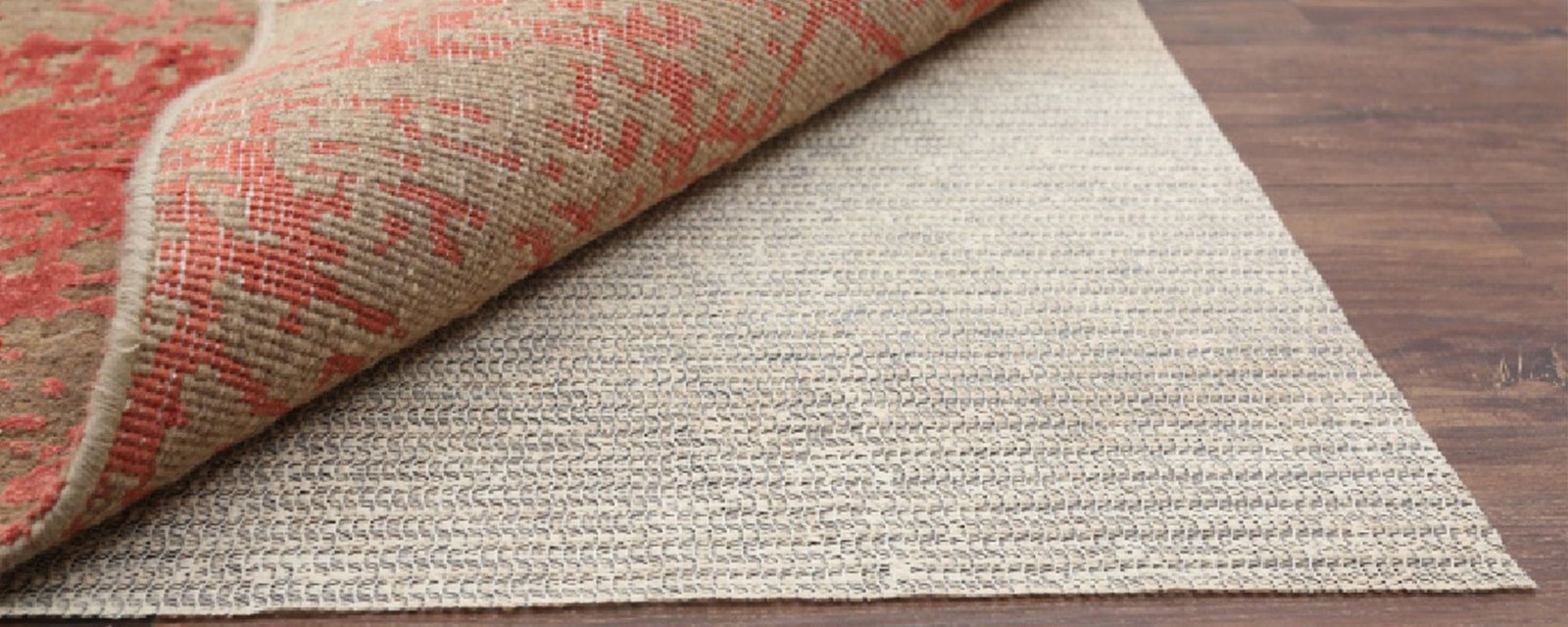
A rug pad is the unsung hero of home décor — it keeps your rug secure, protects hardwood floors, enhances comfort, and extends the life of your rug.
Why Even Use a Rug Pad?
- Prevents slipping and tripping hazards
- Protects hardwood, tile, or stone floors from scratches
- Reduces friction, helping rugs last longer
- Adds cushioning for comfort and luxury
Rug Pad Size Rule of Thumb
Your rug pad should be 1–2 inches smaller than your rug on all sides.
For example:
- 8×10 rug → 7’10” x 9’10” rug pad
- 6×9 rug → 5’10” x 8’10” rug pad
- 10×14 rug → 9’10” x 13’10” rug pad
- 9×12 rug → 8’10” x 11’10” rug pad
This ensures the pad stays hidden, prevents curling edges, and keeps rugs flat and safe.
Rug Pads vs Carpet Pads
- Rug pads → for area rugs, available in felt, rubber, memory foam, latex, or natural fiber.
- Carpet pads → for wall-to-wall carpet installations, usually glued or nailed down.
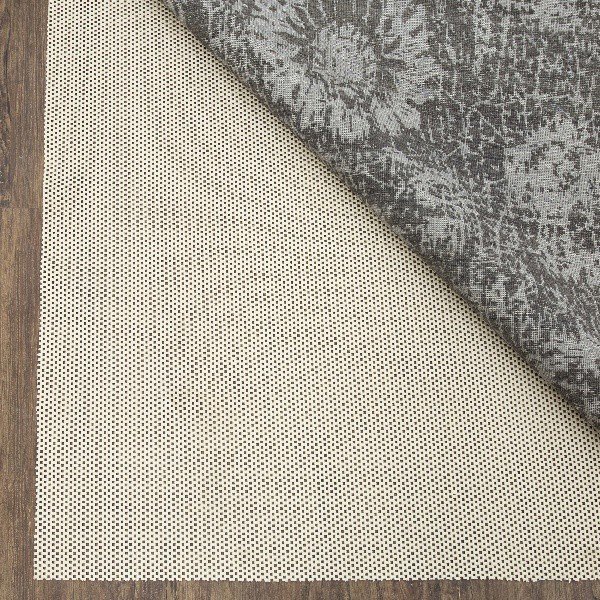
Trimming Rug Pads for Custom Rugs
If you own a handmade rug or an Indian carpet with unique dimensions, trimming is simple:
- Lay the rug pad flat.
- Place your rug on top.
- Mark 1 inch inside the rug’s edge.
- Cut with scissors for a perfect fit.
Spotlight: Indian Carpets & Rug Pads
Indian carpets — especially hand-knotted wool rugs from Kashmir, Jaipur, and Agra — are prized for their artistry, durability, and intricate designs. These rugs often feature floral motifs, Mughal-inspired medallions, and rich color palettes.
Because they are heirloom-quality, pairing them with the right rug pad is essential:
- Natural rubber pads protect delicate handwoven fibers.
- Felt + rubber combo pads add cushioning while keeping heavy Indian carpets in place.
- Custom-trimmed pads ensure the pad doesn’t peek out beneath irregular or handmade edges.
By choosing the right rug pad, you not only protect your floors but also honor the craftsmanship of traditional Indian rugs, ensuring they remain vibrant and secure for generations.
Final Thoughts
Your rug pad isn’t just an accessory — it’s a foundation for style, safety, and longevity. Whether you’re styling a modern living room with a 9×12 rug or showcasing a hand-knotted Indian carpet, the right rug pad makes all the difference.
Here are the FAQs formatted cleanly for your blog post:
FAQs
Q: What size rug pad should I buy for my rug?
A rug pad should be 1–2 inches smaller than your rug on all sides. For example, an 8×10 rug works best with a 7’10” x 9’10” pad.
Q: Can I use a rug pad under Indian carpets?
Yes. Handmade Indian carpets, such as Kashmiri wool rugs or Jaipur hand‑knotted designs, benefit from rug pads. Natural rubber or felt pads protect delicate fibers and keep heirloom rugs secure.
Q: Are rug pads safe for hardwood floors?
Not all pads are safe. Felt and natural rubber pads are recommended for hardwood floors, while PVC pads may leave residue. Always choose pads labeled “safe for hardwood.”
Q: How do rug pads improve comfort?
They add cushioning, reduce noise, and make rugs feel softer underfoot. Memory foam pads are especially good for bedrooms and living rooms.
Q: Can I trim a rug pad to fit an unusual rug size?
Yes. Most rug pads can be cut with scissors. Place your rug on top of the pad, mark 1 inch inside the rug’s edge, and trim for a custom fit.
Q: What’s the difference between rug pads and carpet pads?
Rug pads are for area rugs and come in pre‑cut sizes. Carpet pads are for wall‑to‑wall carpet installations and are usually glued or nailed down.
Q: Do thicker rugs need different rug pads?
Yes. Shag or thick pile rugs need firmer pads for support, while thinner rugs benefit from full pads that provide grip and prevent slipping.