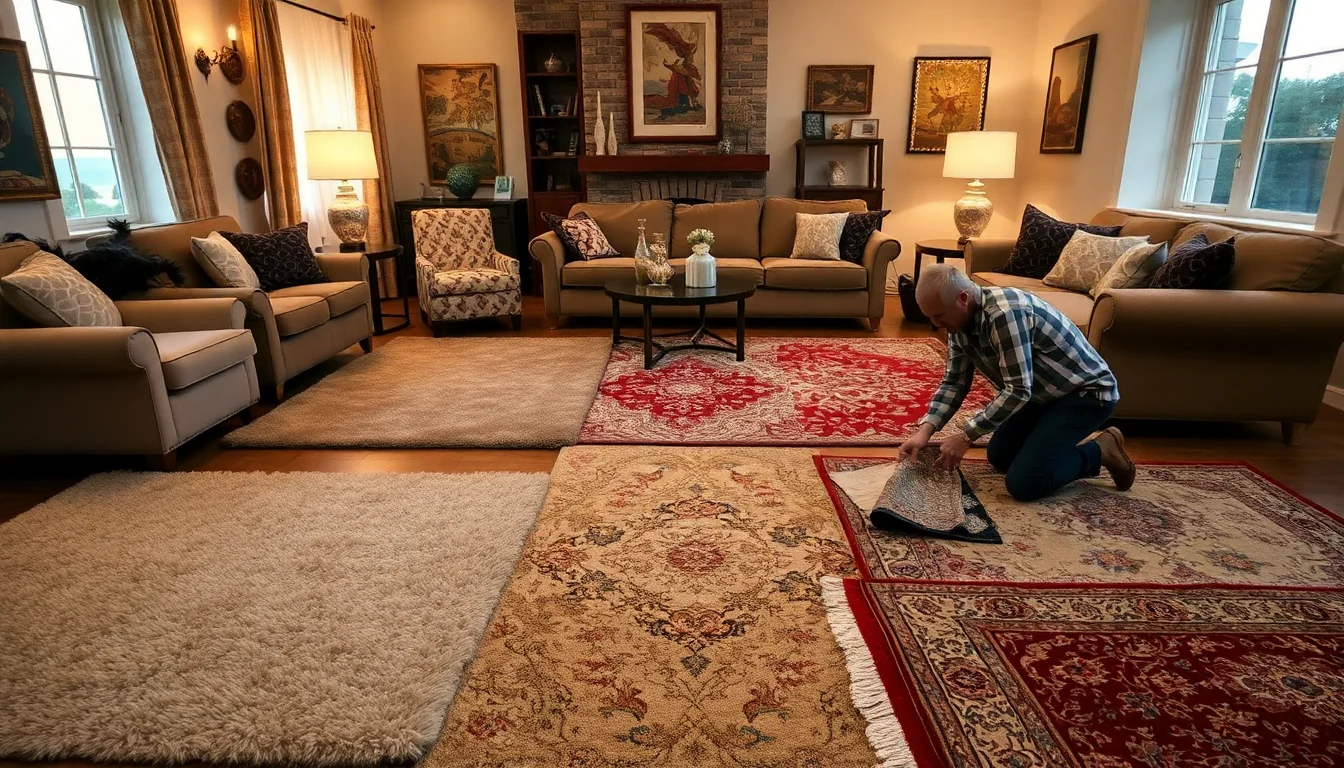
When it comes to home decor, few things anchor a room quite like a high-quality rug. Indian carpets are celebrated globally for their rich heritage and superior craftsmanship. Whether you are searching for modern area rugs 8×10 or a traditional hand-knotted masterpiece, choosing the right piece is about balancing aesthetics with lasting value.
The Heritage of Indian Carpets
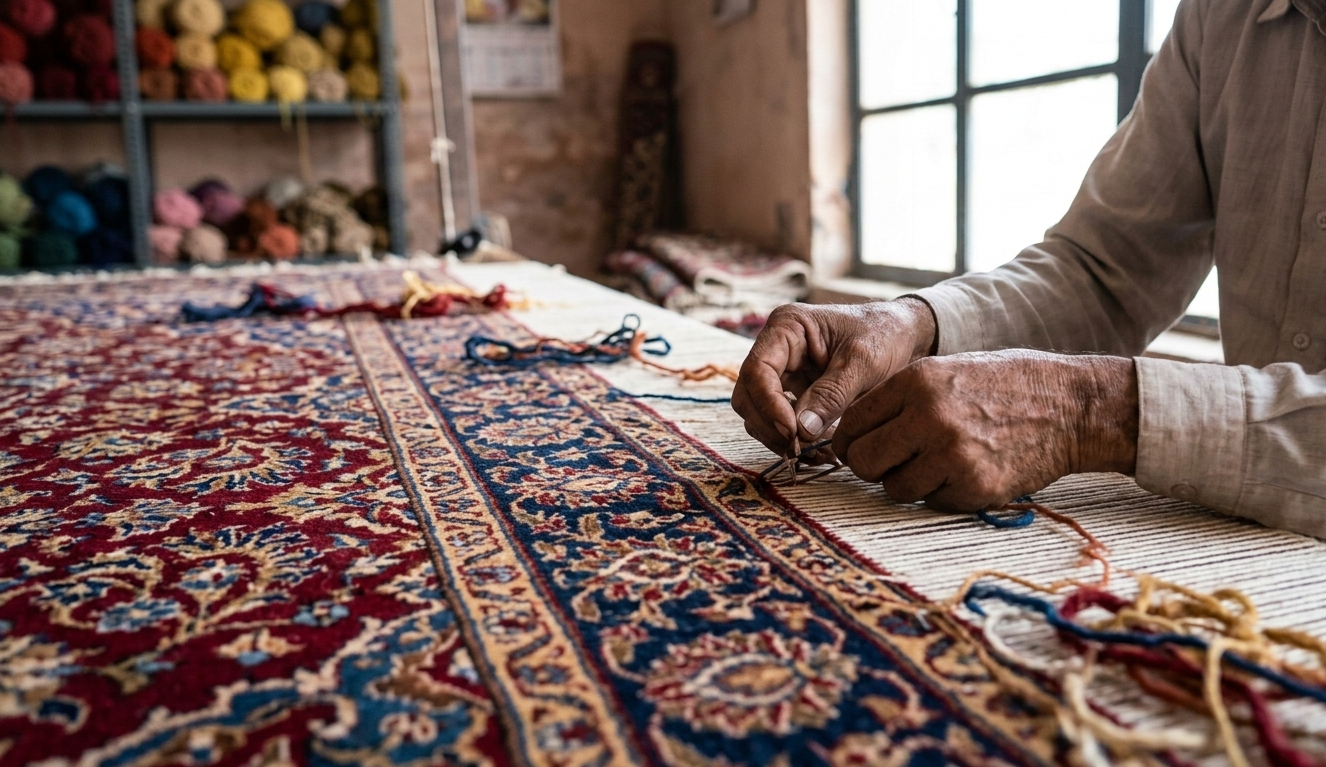
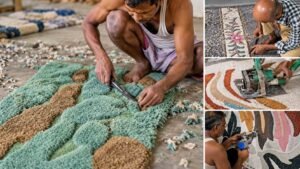
India has a centuries-old tradition of carpet weaving. Every region offers a unique story, from the intricate floral patterns of Kashmir to the bold, artistic designs of Bhadohi and Jaipur. These carpets aren’t just floor coverings; they are functional art. By using organic fibers like wool and silk, Indian artisans create pieces that are naturally durable and eco-friendly.
Finding the Perfect Fit: Size and Placement
Choosing the right dimensions is the first step in your design journey. A rug that is too small can make a room feel disjointed, while the right size creates a sense of harmony.
Extra Large Area Rugs for Living Room
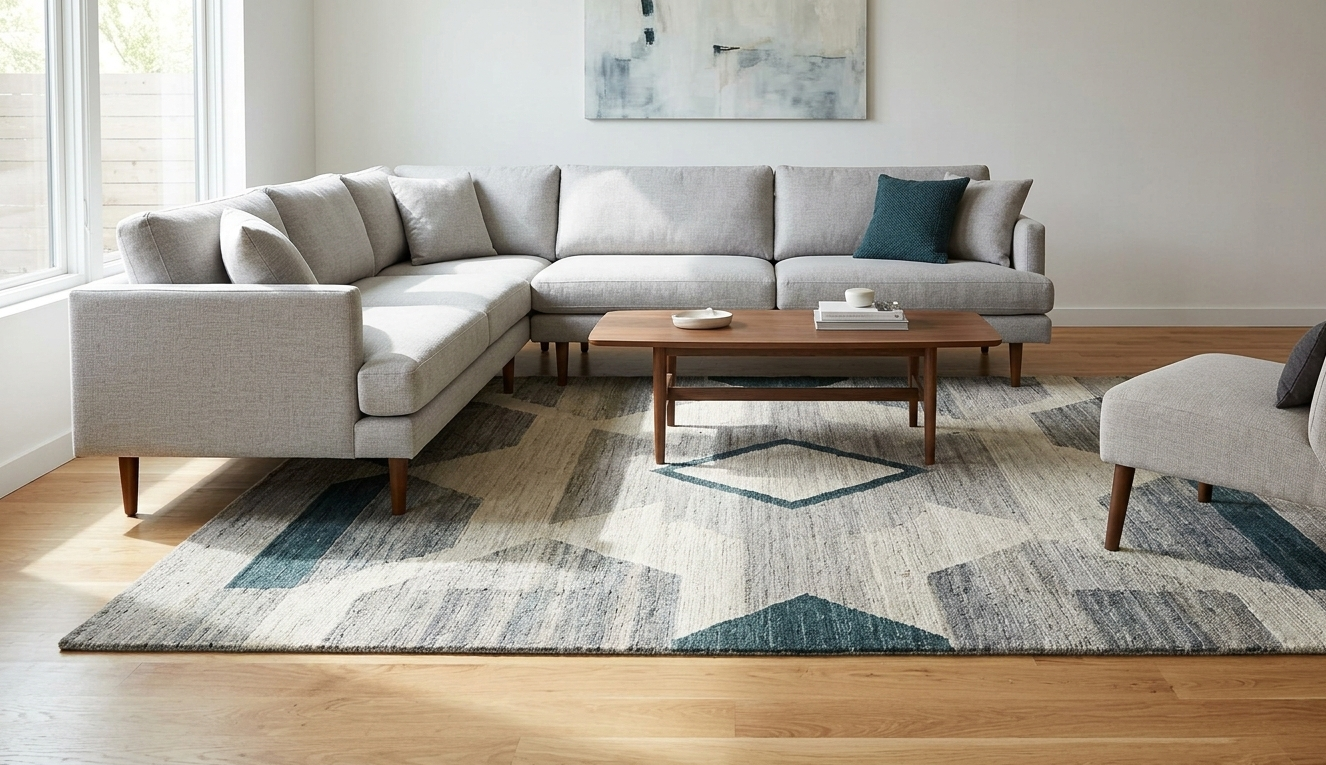
For spacious living areas, extra large area rugs are essential. An 8 by 10 carpet is often the “sweet spot” for standard living rooms. It allows your furniture—sofas, coffee tables, and accent chairs—to sit comfortably on the rug, creating a defined “zone” for relaxation.
Dining Room Rugs
In the dining room, size is about function as much as fashion. You need a rug large enough so that when chairs are pulled out, the back legs stay on the rug. Common choices include:
- 10 x 10 rug for square dining tables.
- 9×10 area rug or 10 x 11 for larger, rectangular settings.
Rug for King Size Bed
For the bedroom, a rug for king size bed placement usually requires at least an 8×10 or 9×12 size. This ensures you have a soft, warm surface to step onto every morning, extending beyond the sides and foot of the bed.
Texture and Pile: From Shag to Sleek
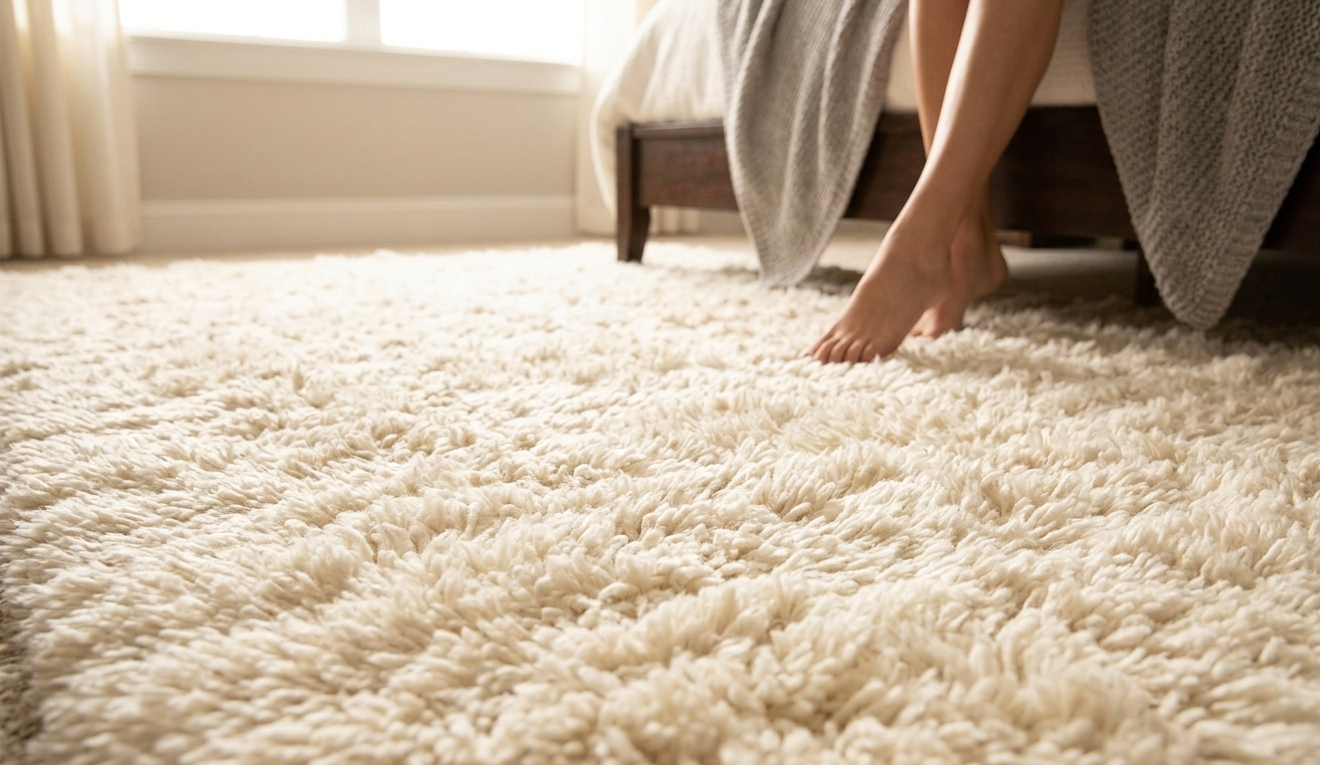
The “pile” of a rug refers to its thickness and density. Your choice depends on the room’s traffic and your personal comfort preference.
- High Pile Rugs: Also known as a shag rug, these offer maximum coziness. An 8×10 shag rug is perfect for bedrooms or low-traffic “cozy corners.”
- Low Pile Rugs: These are easier to clean and highly durable. They are the ideal choice for dining room rugs where chairs move frequently.
- Thick Rugs for Living Room: If you want a plush feel without the “shaggy” look, a thick, hand-tufted wool rug provides great cushioning and sound insulation.
Customization: A Rug Made Just for You
One of the greatest strengths of Indian carpet manufacturing is the ability to customize. If standard sizes like a 6×8 rug, 6×10 rug, or 10×10 don’t fit your unique layout, bespoke options are available.
Customization allows you to select specific colors—perhaps a deep black 8×10 area rug or a warm 8×10 brown rug—and tailor the dimensions to your exact floor plan. This ensures your investment fits your space like a glove.
Value and Selection
You don’t have to break the bank to own a beautiful piece of Indian craftsmanship. By looking for clearance rugs or large area rugs cheap, you can find high-quality 8×10 rugs for sale that offer luxury at an accessible price point.
When shopping, don’t forget the essentials: an 8 x 10 rug pad is a small investment that prevents slipping and extends the life of your carpet by providing extra cushioning.
The Essential Rug Care Checklist
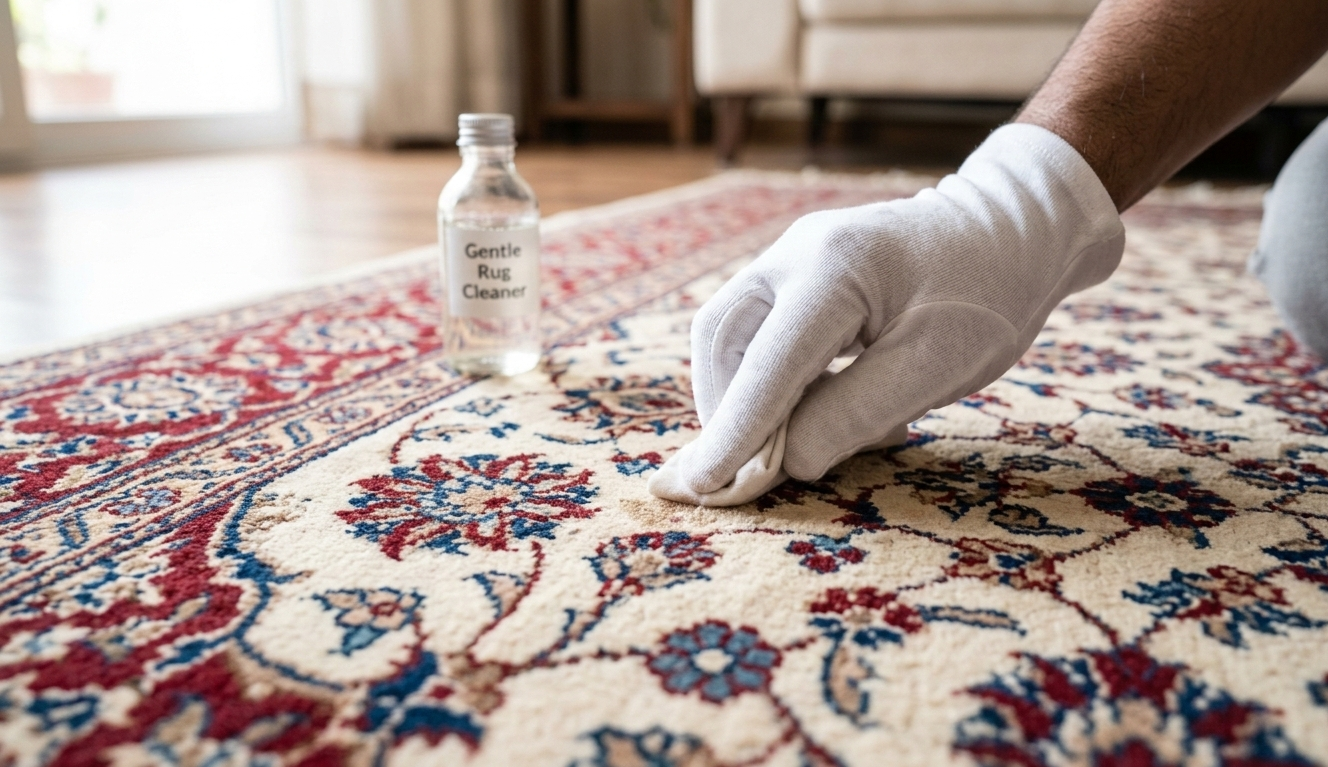
1. Wool Carpets (The Durable Classic)
Wool is naturally stain-resistant due to its lanolin oils, but it is highly absorbent.
- Vacuuming: Vacuum once a week using a suction-only setting. Avoid “beater bars” or rotating brushes, as they can pull out the organic fibers and cause fuzzing.
- Spills: Blot immediately with a white cotton cloth. Never scrub, as this pushes the liquid deeper into the pile.
- Deep Clean: Have these professionally cleaned every 3–5 years. Wool thrives with a “wet wash” done by specialists.
2. Silk & Bamboo Silk (The Delicate Luxury)
Silk rugs are prized for their sheen but are sensitive to moisture and heat.
- Placement: Avoid high-traffic areas or spots with direct, heavy sunlight to prevent fading.
- Cleaning: Never use hot water or steam. Heat can shrink the silk fibers and destroy the natural luster.
- Pro Tip: For bamboo silk, use a soft-bristle brush to gently “comb” the pile in one direction if it looks flattened.
3. Jute & Hemp (The Natural Weave)
These are sturdy but do not like getting wet.
- Moisture Alert: Water can cause jute to brown or develop “water spots.” If a spill occurs, use a hairdryer on a cool setting after blotting to dry the area quickly.
- Odors: If the rug smells “earthy,” sprinkle a small amount of baking soda, let it sit for 15 minutes, and vacuum it up.
Protecting Your Floor: The Rug Pad
Whether you have an 8×10 rug or a smaller 6×8 rug, a rug pad is non-negotiable.
- Airflow: It allows the rug to “breathe,” preventing mold and mildew.
- Fiber Protection: It acts as a shock absorber, stopping the fibers from being crushed between your footsteps and the hard floor.
- Safety: It prevents the rug from sliding, especially on polished wood or tile.
Seasonal Maintenance Tips
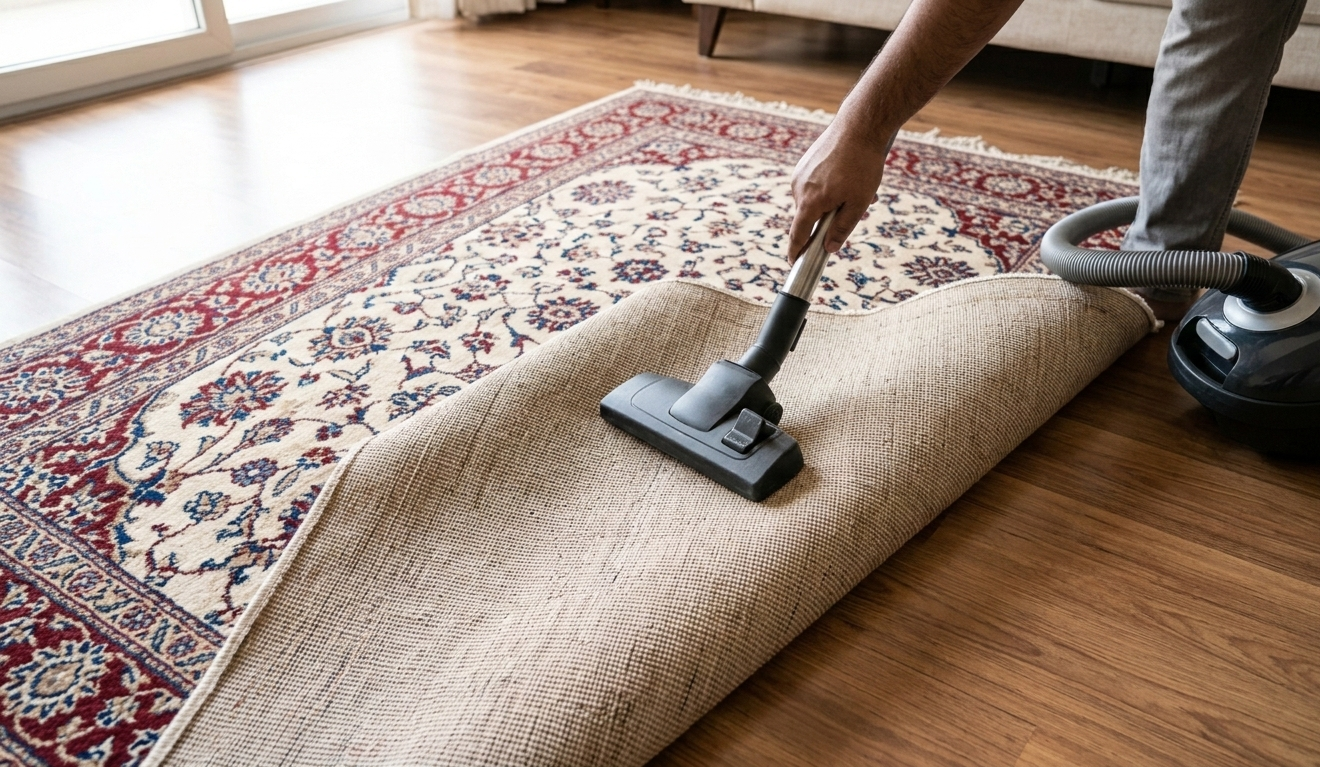
- Rotate: Turn your rug 180° every six months. This ensures that foot traffic and sunlight are distributed evenly, preventing “paths” from forming in the pile.
- The “Flip” Test: Once a year, flip your rug over and vacuum the back. This vibrates the deep-seated dust out of the foundation of the rug.
Your New Indian Carpet: A Care Guide
Thank you for choosing a piece of living heritage.
Your rug was handcrafted by skilled artisans using traditional techniques. Because it is made with organic materials and manual precision, a little specialized care will ensure it stays beautiful for generations.
1. The First Week
- Shedding: Don’t worry! New wool rugs may shed small fibers at first. This is natural and will stop after a few weeks.
- Settling: If your rug has creases from shipping, lay it flat. They will naturally disappear within 3–7 days.
2. Golden Rules of Care
- Vacuum Wisely: Use a suction-only setting. Avoid rotating “beater bars,” which can stress the handmade knots.
- Blot, Don’t Rub: If a spill occurs, act fast. Blot with a clean white cloth.
- Rotate: Turn your rug 180° every six months to ensure even wear and sun exposure.
3. The Secret to Longevity
Always use a quality rug pad. It protects the underside, prevents slipping, and adds comfort underfoot.
Frequently Asked Questions
Can I use store-bought carpet cleaners?
Be very careful. Many contain harsh chemicals or bleaches that can ruin the organic dyes used in handmade Indian rugs. Always test a tiny, hidden corner first.
How do I fix a “pulled” thread?
If a loop comes loose (common in hand-tufted rugs), do not pull it. Simply snip it level with the rest of the pile using sharp scissors.
What should I do if my rug has a heavy furniture dent?
Mist the area lightly with a little distilled water and gently lift the fibers with a coin or a soft brush.
What is the best rug size for a standard living room?
An 8 by 10 carpet is the most popular choice. It is large enough to tuck under the front legs of your seating, which anchors the room perfectly.
How do I clean a high pile rug?
For a high pile rug or shag rug, use a vacuum without a beater bar to avoid pulling the fibers. For spills, blot immediately with a clean, dry cloth.
Can I get a custom size like a 10 x 11 rug?
Yes. Indian artisans specialize in customization. You can order specific dimensions to fit unique architectural spaces or oversized rooms.