10 Creative Home Decor Ideas for 2026
Have you ever bought a beautiful new rug, unrolled it in your living room, and immediately felt like the space suddenly looked smaller? That sinking feeling often triggers “analysis paralysis,” leaving you completely overwhelmed by the endless choices involved in home styling. You might stare at a wall of paint swatches, terrified of making the wrong choice, and eventually decide to do nothing at all. This common trap happens because we frequently shop for individual pieces we like, rather than considering how they will interact with the room as a whole.
Most people assume that creating stylish interiors requires spending a small fortune on designer furniture or hiring a professional. In reality, successful design follows a proven recipe rather than relying on pure luck or an unlimited budget. The foundation of this recipe is Human-Centric Design, which simply means arranging your space based on how it makes you feel and how you actually move through it. Rather than forcing a trendy layout that blocks your natural pathway to the kitchen, this approach ensures your home serves your practical needs first.
Look around your current space right now and ask yourself where your eye naturally lands. If a room constantly feels a bit chaotic or heavy, the culprit is usually a lack of Visual Balance—meaning the visual weight of your furniture and colors isn’t distributed evenly across the room. Environmental psychology research shows that visually balanced spaces unconsciously reduce our stress levels and help us relax. Rescuing a room makeover that feels wrong rarely requires starting over; it usually just takes shifting a sofa a few inches or balancing a bulky bookshelf with a lighter piece of art.
Overcoming the dread of starting a home decor project becomes surprisingly simple once you understand these core rules. Transitioning your space from a basic, functional layout to a deeply personalized sanctuary is a manageable journey. Applying a few core strategies provides the confidence needed to arrange the things you already own into a cohesive, inviting space.
Why Your Room Feels Dark—And 3 Ways to ‘Steal’ Natural Light
Walking into a midday room that feels like it requires a flashlight is a frustrating experience. When maximizing natural light in dark rooms, the culprit is often Light Reflective Value (LRV)—simply a measure of how much light a surface bounces around versus how much it absorbs. Heavy, dark drapes are absolute room killers with incredibly low LRVs, swallowing up the sunlight before it can even reach your furniture.
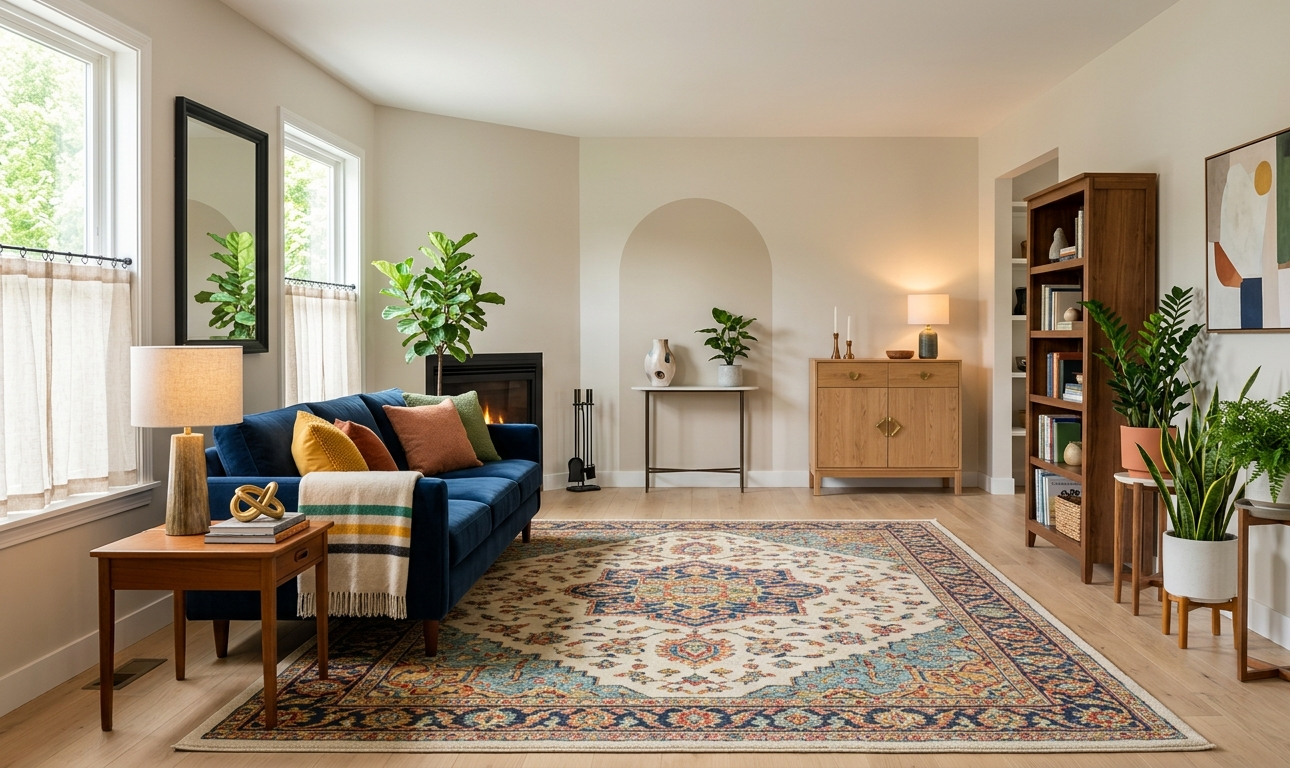
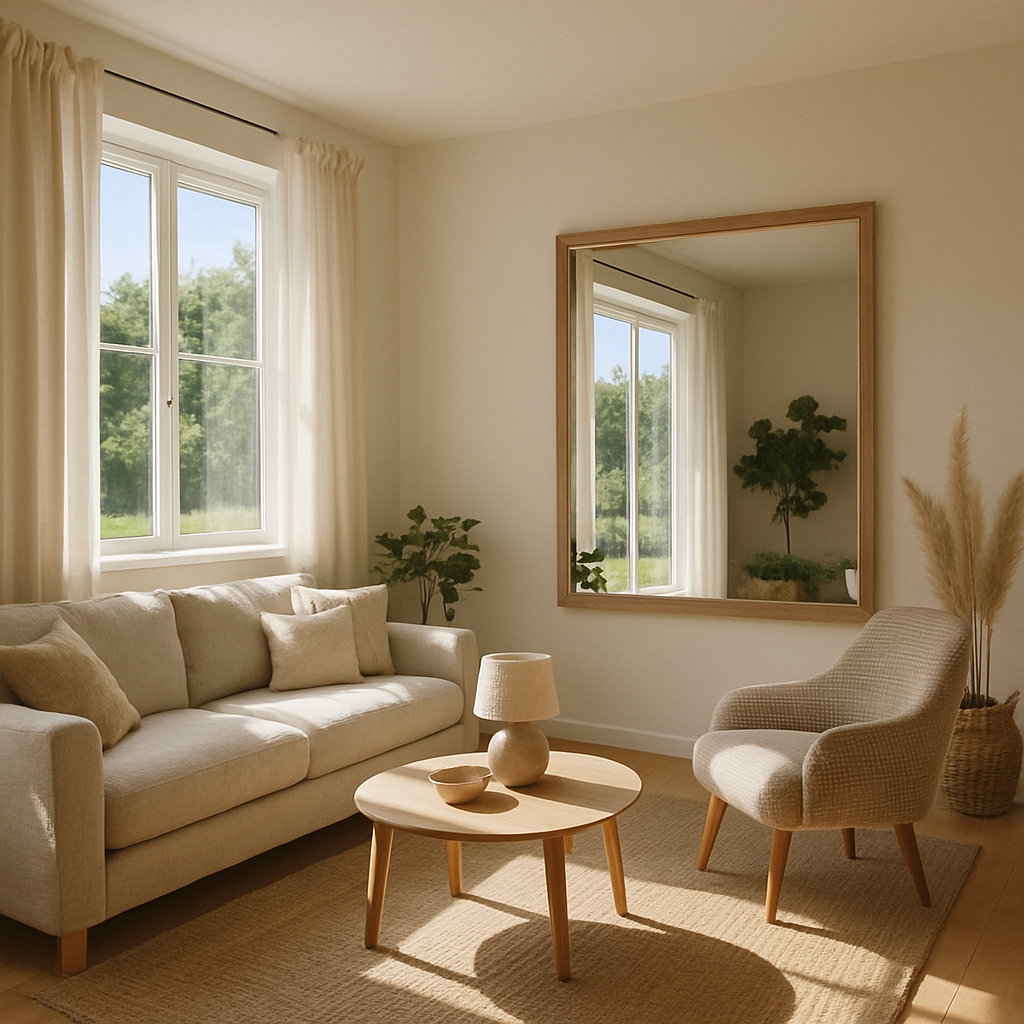
To fix a gloomy space, try the “Mirror-Window” alignment trick. Hanging a large mirror directly across from your main light source essentially creates a fake second window that doubles the sunshine. You can enhance this effect by leaving some Negative Space—the intentional empty area around your furnishings—near the glass. By pulling bulky home accessories and tall bookcases away from the window frame, you give the incoming light physical room to travel unblocked across the floor.
Swapping out those heavy fabrics for smarter decor ideas will dramatically shift the room’s energy. Consider these specific window treatments that filter light instead of blocking it completely:
- Sheer linen: Diffuses harsh afternoon sun into a soft, welcoming glow.
- Café curtains: Covers only the bottom half of the glass for privacy while leaving the top open.
- Tension rods: Mounts neatly inside the window frame, keeping the surrounding walls clear.
A physically brighter and more open space provides the perfect canvas for establishing a cohesive color palette.
Mastering the 60-30-10 Rule: The Secret to a Cohesive Color Palette
Painting a room your favorite shade, only to feel overwhelmed when the furniture returns, highlights a common design struggle. The secret to choosing the right color palette is the 60-30-10 Rule. Think of this home decor trick as a simple recipe: 60 percent of the room is a dominant neutral (like walls), 30 percent is a secondary color (like a sofa), and 10 percent is for accents (like pillows). This ratio guarantees visual balance rather than chaos.
Nailing that dominant 60 percent requires checking Color Undertones—the hidden warm or cool hues beneath your main shade. A yellow-leaning beige clashes aggressively against a blue-leaning gray chair, making the space feel subtly wrong. To prevent this mistake, build a quick mood board color story before buying anything. Grouping screenshots of your desired paint and furniture side-by-side instantly reveals if those hidden hues actually get along.
You can safely experiment with modern decor by saving vibrant choices for that final 10 percent. Tossing a mustard-yellow blanket onto a neutral chair adds immediate energy and is effortless to swap later. A patterned rug also works perfectly for this accent layer, especially when choosing from premium handmade collections available at Indian Carpets Tufted Carpets Collection.
Are Washable Rugs Actually Durable? What the 2026 Reviews Reveal
Watching someone walk across a new rug holding a full cup of coffee induces instant panic. Real life involves pets and constant spills, which is why Machine Washable Rugs Collection have become incredibly popular. However, there is a massive difference between “stain-resistant” (treated to repel liquid temporarily) and truly washable. To save money long-term, you need a foundation piece that actually survives life’s inevitable messes.
When asking What type of rug is most durable?, the secret lies in pile height—the thickness of the rug’s fibers. Flat-woven or low-pile options survive high traffic because dirt cannot hide deep inside. According to Good Housekeeping Rug Guide, three specific materials consistently survive a spin cycle without warping:
- Polyester: Highly fade-resistant and budget-friendly.
- Chenille: Offers a soft, textured feel while remaining lightweight enough for your washer.
- Recycled Synthetic: Eco-friendly powerhouses designed for extreme daily wear.
Beyond durability, choosing the right piece requires mastering rug-to-room scale. Think of your rug as an anchor, and use the “all legs on” rule: your major living room furniture should sit entirely on the fabric so the room doesn’t feel disconnected. Once this durable, perfectly sized foundation is set, you can safely explore bolder aesthetics, such as mixing dramatic and minimalist styles.

How to Mix Gothic Drama with Modern Minimalism Without Clashing
Combining two entirely different looks often ends up feeling like an accidental movie set. Blending ornate gothic home decor with the clean lines of modern decor easily falls into this “themed room” trap. The secret to preventing a clash is the Common Thread Rule—choosing one single element, like a specific dark shade or metallic finish, to repeat everywhere so opposite pieces look intentional.
Visual weight is your next tool when mixing different interior design styles. Gothic pieces usually feel “heavy” due to dark, carved woods, so balance them using “light” modern lines, like a sleek glass table. You can then build depth using Textural Contrast. Try pairing a plush black velvet sofa with highly reflective chrome accents. Using black as a grounding neutral allows these dramatic textures to pop without making the room feel tiny.
Mastering this delicate balance proves you never have to buy everything from a matching showroom collection. As you carefully source these dramatic statement pieces, evaluating what your decor is made of helps you make eco-friendly choices that last.
Sustainable vs. Traditional Furniture: Making Eco-Friendly Choices That Last
Unboxing a new piece of economy home decor—like a particle board bookshelf—often releases a sharp, chemical smell. That scent is called “off-gassing,” which happens when Volatile Organic Compounds (VOCs) release into your air from synthetic glues. When weighing sustainable vs traditional furniture materials, the difference often comes down to this hidden indoor air quality. Solid wood avoids this entirely, proving that investing in natural materials offers better lifecycle value for your health and wallet.
Protecting your home environment is easier when you know which certifications to check. Whether you are shopping for a new sofa or browsing guides about Wool Carpets Collection, keep an eye out for these four trustworthy labels:
- Forest Stewardship Council (FSC): Ensures solid wood comes from responsibly managed forests.
- Greenguard Gold: Guarantees low chemical emissions and fewer VOCs.
- OEKO-TEX Official Website: Confirms fabrics are completely free of harmful substances.
- GOTS: Verifies that textile fibers are genuinely organic.
Buying second-hand remains the ultimate eco-friendly hack. Vintage gems finished off-gassing decades ago, giving you high-quality wood without a modern chemical footprint. Once you select these sturdier, healthier pieces, the next challenge is actually fitting them into your room. If a new solid wood dresser makes the room feel suddenly cramped, adjusting your layout becomes essential for better flow.
The ‘Floating Furniture’ Fix: How to Arrange Small Spaces for Better Flow
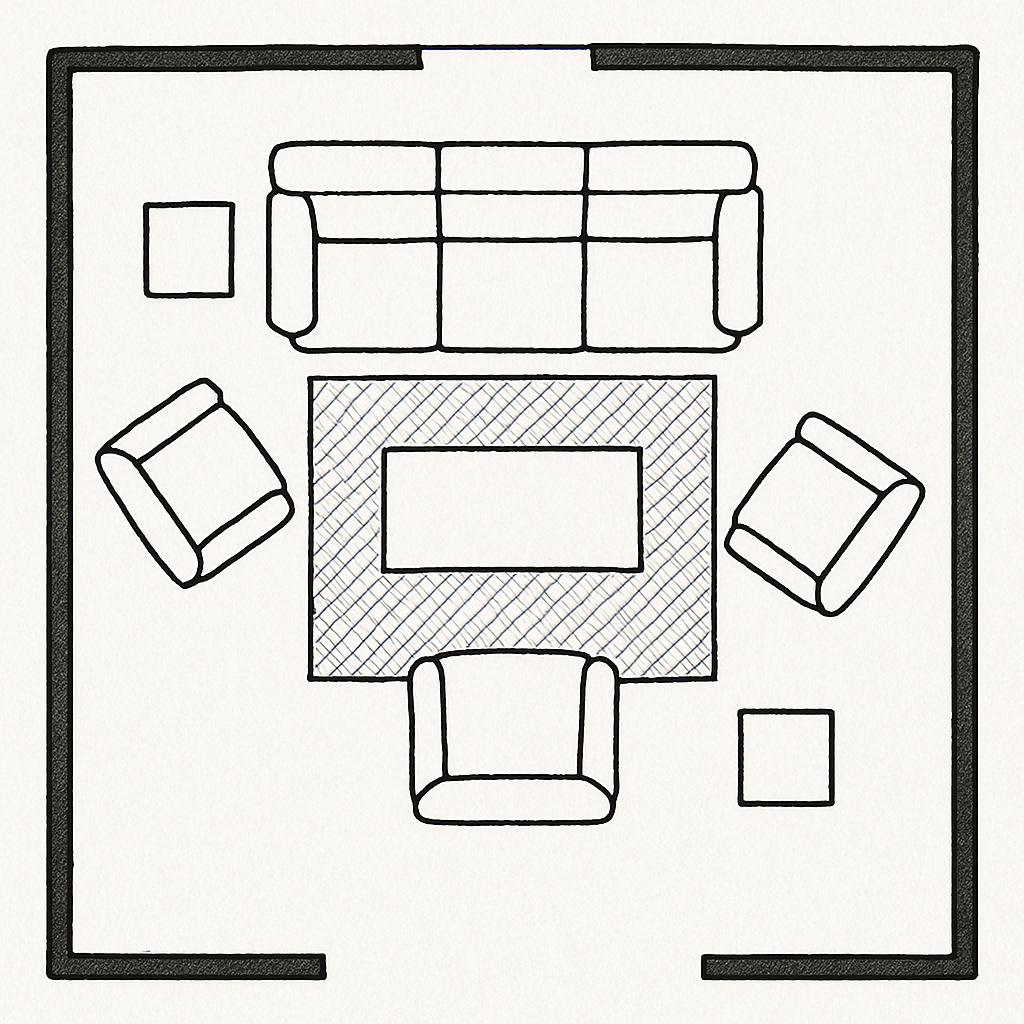
Most people assume that shoving every piece of seating tight against the walls is exactly how to arrange furniture in small spaces to maximize room. In reality, this “waiting room” layout creates a vast, awkward empty area in the middle that actually makes the room feel smaller. The solution is floating your furniture—pulling sofas and chairs at least a few inches away from the wall. This simple trick creates breathing room, adding an illusion of depth because the eye instinctively perceives space continuing behind the pieces.
Once your pieces are pulled inward, you need to ensure the room does not accidentally turn into an obstacle course. Think of the empty spaces where people naturally walk as “traffic lanes.” A good rule of thumb is to leave roughly 30 to 36 inches of clear walking space between your major pieces. Establishing these clear pathways prevents bruised shins and smoothly guides guests through the space, making the layout feel highly purposeful rather than cluttered.
To tie this cozy new layout together, anchor your seating arrangement around a single visual target, like a cozy fireplace or a large window. Beautifully styled Living Room Carpets can further define the focal point and ground the overall interior design effortlessly.
The Stage Lighting Secret: How to Layer Ambient, Task, and Accent Lights
Flipping the main living room switch and feeling like you are standing under a harsh interrogation lamp is a notorious mood killer. Relying solely on a bright overhead fixture is a fast way to flatten a room’s aesthetic. Instead, treat your space like a theater stage relying on the importance of layered lighting schemes. You need “Ambient” light (general house lights, like a ceiling dome), “Task” lighting (a targeted spotlight, like a reading lamp), and “Accent” lighting (a soft, localized glow highlighting home accessories).
Blending these specific elements together quickly eliminates the severe shadows that make a room feel flat and uninviting. When you turn off the overhead glare and rely on lower-level lamps, light gently washes across your walls and highlights the woven texture of your rugs. This strategy adds beautiful, cozy depth to your space, acting as an instant room makeover that does not require buying a single piece of new furniture.
The final secret to this welcoming atmosphere is selecting the correct bulb through Color Temperature, which is measured in Kelvins. Lower numbers (around 2700K) produce a warm, amber glow perfect for relaxing spaces, while higher numbers emit a crisp, bluish light better suited for task-heavy kitchens or bathrooms. Installing warm bulbs instantly softens your hard surfaces, creating a comforting foundation that beautifully sets up tactile additions that provide seasonal comfort.
70s Flare Meets Mid-Century Modern: Choosing Textiles for Seasonal Comfort
Sitting on a beautiful sofa only to realize the fabric is scratchy introduces the importance of Tactile Design—the practice of choosing materials based on how they actually feel, not just how they look. Right now, interior design is blending earthy 70s home decor, like warm corduroy, with sleek vintage shapes. The secret is contrast. When you take a chair featuring tapered legs—classic wooden pegs that gradually get thinner at the bottom—and drape it in plush fabric, you soften the room instantly without adding visual clutter.
Mastering this cozy aesthetic doesn’t require new furniture. You can completely shift a room’s “season” using only three simple textile swaps: replacing throw pillows, adding a blanket, and layering a rug. Proper textile selection for seasonal comfort means choosing fabrics for breathability and temperature control. Heavy velvets trap winter heat beautifully, while breezy cottons let summer air circulate.
To successfully merge mid-century modern furniture characteristics with these inviting textures, try these foolproof ‘Retro-Modern’ textile pairings:
- Velvet + Teak: Luxurious softness perfectly balances warm wood tones.
- Bouclé + Walnut: Nubby, looped fabric adds coziness to dark wood grain.
- Linen + Brass: Breathable cloth relaxes sharp, metallic shine.
Once beautifully layered, natural elements can bring even more life into your thoughtfully styled space.
More Than Just Greenery: The Hidden Psychological Benefits of Indoor Plants
A room often feels instantly more inviting when you add a potted fern. This reaction stems from Biophilic Design Explained—the practice of intentionally connecting our indoor environments to nature. The psychological impact of indoor plants goes far beyond simple aesthetics; surrounding yourself with greenery actually lowers cortisol, your body’s primary stress hormone, helping you curate truly cozy spaces where you can physically unwind.
Fear of a brown thumb keeps many people from utilizing this home decor strategy, but you certainly don’t need sunny windows to succeed. Simply choose “un-killable” varieties that actually thrive in low-light environments, like the sculptural ZZ plant or the resilient Snake plant, which both ask for minimal water and zero fuss.
Arranging these natural additions introduces a foundational styling secret known as The Rule of Three. Instead of scattering pots randomly, group them in odd numbers of varying heights. The human brain finds odd-numbered groupings visually satisfying, transforming a loose collection of pots into a deliberate display. Of course, adding beautiful greenery only works if you actually have clear surfaces for them, requiring you to clear away common decor space-wasters.
The ‘Clutter Audit’: How to Identify and Remove 5 Common Decor Space-Wasters
Spending an afternoon cleaning, only to feel like your room still looks messy, usually means you are battling Visual Noise—the overwhelming sense of chaos created when too many small objects compete for your attention. Whether you prefer a sleek minimalist vs maximalist aesthetic, filling every inch of a shelf with tiny knick-knacks actually shrinks a room’s visual scale. Organizing cluttered living areas effectively requires learning to distinguish between a deliberate, meaningful collection and accidental clutter.
To start your audit, ruthlessly target these five common home decor clutter items: old magazines, tiny candles, mismatched remotes, faded faux flowers, and overstuffed pillows. Clearing these out instantly introduces Negative Space—the intentional empty areas around your objects. Think of negative space like a pause in a good conversation; it lets your best items breathe and gives your eyes a calming place to rest.
Maintaining this visual harmony is easy when you implement the “one-in-one-out” rule: for every new accessory you bring home, donate or toss an old one. Once your surfaces are beautifully cleared of distractions, you have the perfect blank canvas to achieve high-end style on a budget.
High-End Style on a DIY Budget: 3 Room Makeover Hacks That Cost Under $50
Most assume a luxury look requires a luxury bank account, but the secret is High-Low Mixing—pairing affordable basics with a few premium touches. You can instantly execute this through a simple “Hardware Swap.” Grab a basic screwdriver and replace the standard knobs on your box-store furniture with heavy, boutique-style handles. This tiny change tricks the eye into believing the entire piece is expensive, offering a major win for your diy decor efforts without buying a whole new dresser.
Another powerful trick involves creating Architectural Camouflage, which means using a paintbrush and color to fake expensive structural details. Instead of paying for custom woodwork, use a quart of “Accent Paint” to create a solid arch behind your bed or a bold color block around a basic window. These paint-only zones act as a faux-architectural feature, giving flat walls immediate depth and customized luxury, ranking them among the smartest budget-friendly room makeover ideas available.
Combining these hacks lets you strategically blend an expensive “Hero” piece—like a stunning vintage lamp—with cheap “Filler” items, like a budget side table. By directing attention toward the high-quality elements, your economy home decor suddenly looks incredibly deliberate and polished. Before rushing to the store to execute these upgrades, however, developing a visual plan prevents expensive buying mistakes.
How to Create a Mood Board That Prevents Expensive Buying Mistakes
Buying a velvet chair that looked perfect in the store, only to realize it completely clashes with your sofa, is a frustrating interior design trap. This scenario happens when shopping without a plan, but you can easily avoid it through Digital Prototyping—the practice of pasting images of potential purchases next to photos of your current room. By combining these elements on a screen or a piece of paper, creating a cohesive mood board lets you visualize a room’s overall vibe before spending a single dollar.
Creating a cohesive mood board becomes easier when exploring inspiration from the Indian Carpets Blog Posts section, where you can discover different rug styles, textures, and color combinations for every interior aesthetic.
After your virtual layout feels complete, enforce a strict 24-hour “Cooling Off” rule before buying anything. Stepping away from the screen for a full day prevents impulsive shopping mistakes and gives your eyes time to spot hidden clashes. Trusting this curated preview means you are finally ready to overcome analysis paralysis and execute a concrete action plan.
From ‘Analysis Paralysis’ to Your Dream Room: A 4-Phase Action Plan
You no longer have to guess why a space feels awkward or spend a fortune trying to fix it. Instead of feeling overwhelmed by home decor, you now have a reliable blueprint to craft stylish interiors using pieces you already own.
To turn this theory into a 30-day room makeover, follow this step-by-step transformation checklist:
- Function (Week 1): Adjust your layout and flow to ensure the room is actually usable.
- Foundation (Week 2): Position your largest blocks, like sofas and rugs, to anchor the space.
- The Magic (Week 3): Layer your lighting and balance your colors to create visual harmony.
- Personalization (Week 4): Place your art and accessories so the space tells your unique story.
Audit your ongoing progress using the ultimate human-centric design checklist: how the room physically impacts your mood. When you cross the threshold after a long day, do you feel calmer when you walk in? If the answer is yes, your choices are working.
Start today by taking one simple action: clear the negative space—the empty areas—around your main seating to let the room breathe. To elevate your interiors further, explore bespoke handmade rugs through Custom Rugs Service or connect directly with the team via Contact Indian Carpets to create a personalized luxury carpet for your space.